Tourison/Blog/Destination guides
Jordan in 7 Days: Petra, Wadi Rum and the Dead Sea Without the Tour-Bus Rush
Tourison may earn a commission when you book through links on this page, at no extra cost to you. How we pick deals
A Jordan itinerary for 7 days: Amman, Jerash, Madaba, the Dead Sea, a full day at Petra and a night in Wadi Rum, with Jordan Pass maths, ticket prices and transport.
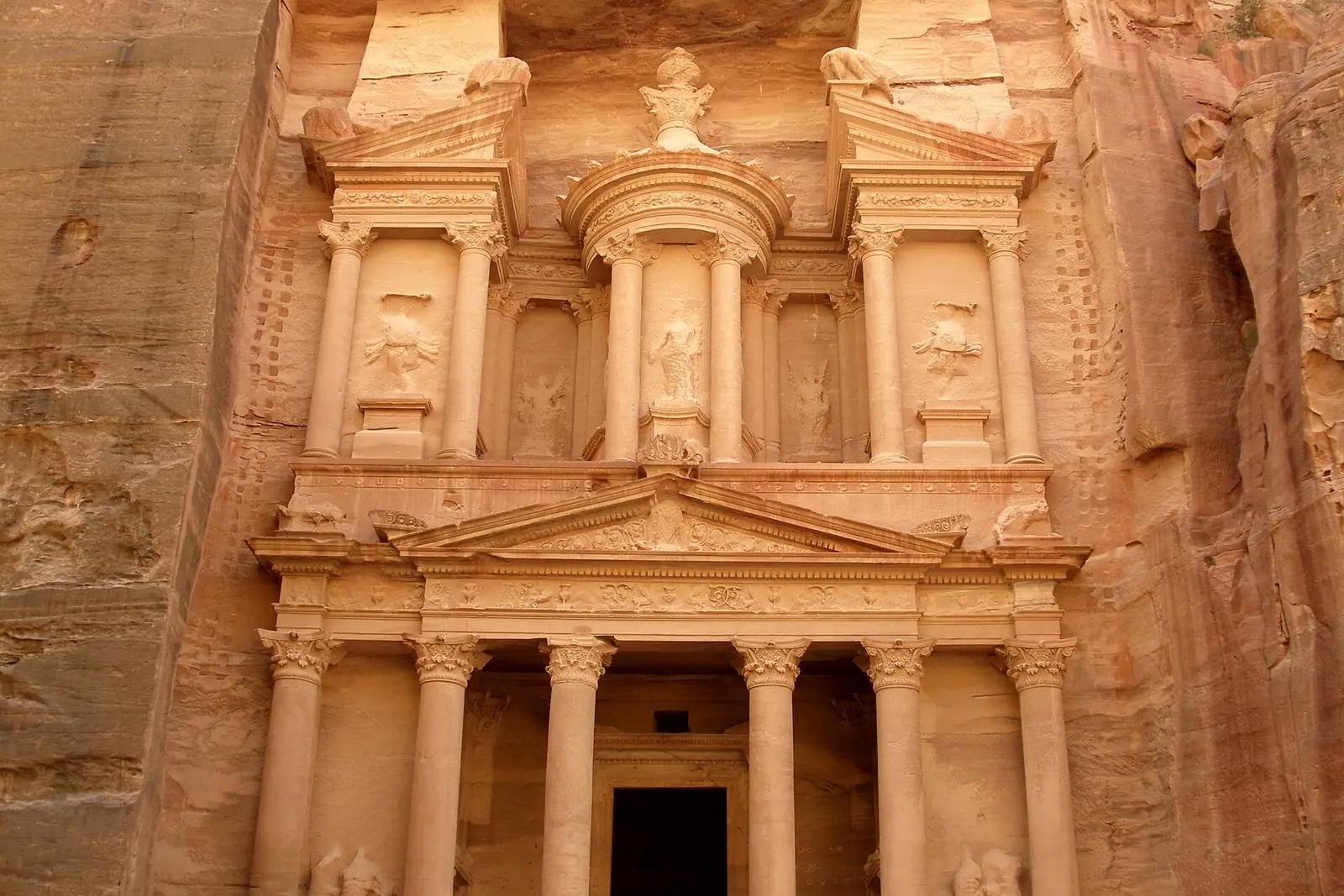
Most people squeeze Petra into a single frantic day trip and see the Treasury through a wall of phone screens. A good Jordan itinerary for 7 days does it differently. You spend a full day in the ancient city, with time to walk the quiet trails, you float in the Dead Sea without queuing for it, and you sleep in the desert at Wadi Rum instead of just driving through. Here is that week day by day, with the costs we could verify and the drives between stops.
- Best time: March to May and September to November. Summer is hot at Petra, Wadi Rum and the Dead Sea, and winter nights in the desert are cold.
- Budget: the Jordan Pass is about JOD 70 to 80 (US$99 to US$113, Oct 2026) and covers the visa fee, Petra and Wadi Rum entry.
- How to get there: fly into Amman (AMM), or into Aqaba (AQJ) for a south-to-north route.
- Days needed: 7 days is comfortable. Five is tight, and ten lets you add Dana and the Kings' Highway.
Jordan itinerary 7 days: the route at a glance
Jordan is small, and the main sights sit along one north-to-south line. The Desert Highway runs from Amman to Aqaba in about four hours without stops, and every detour we suggest hangs off it. Here is the week in short.
- Day 1: Amman, the Citadel and downtown.
- Day 2: Jerash in the morning, back to Amman or on to Madaba.
- Day 3: Madaba and Mount Nebo, then down to the Dead Sea.
- Day 4: Dead Sea morning or Wadi Mujib, then the drive to Petra.
- Day 5: A full day in Petra.
- Day 6: Little Petra, then Wadi Rum for the night.
- Day 7: Wadi Rum sunrise, Aqaba, and your flight or the drive north.
It also works in reverse if you land in Aqaba. We assume Amman, which has the most flights. Our Jordan destination page has more background, and a Gulf stopover is easy to plan from our Dubai page.
Days 1 and 2: Amman and Jerash
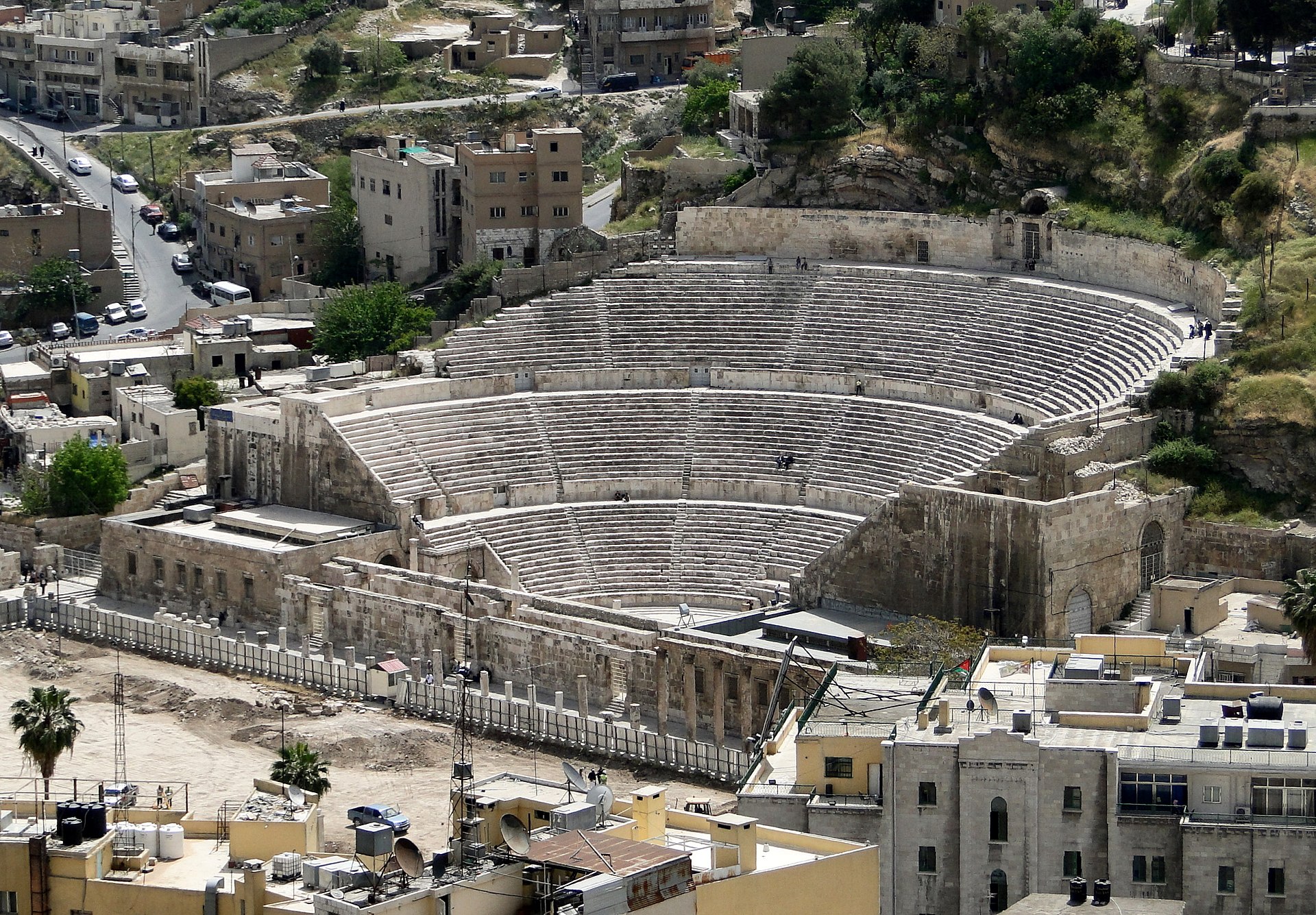
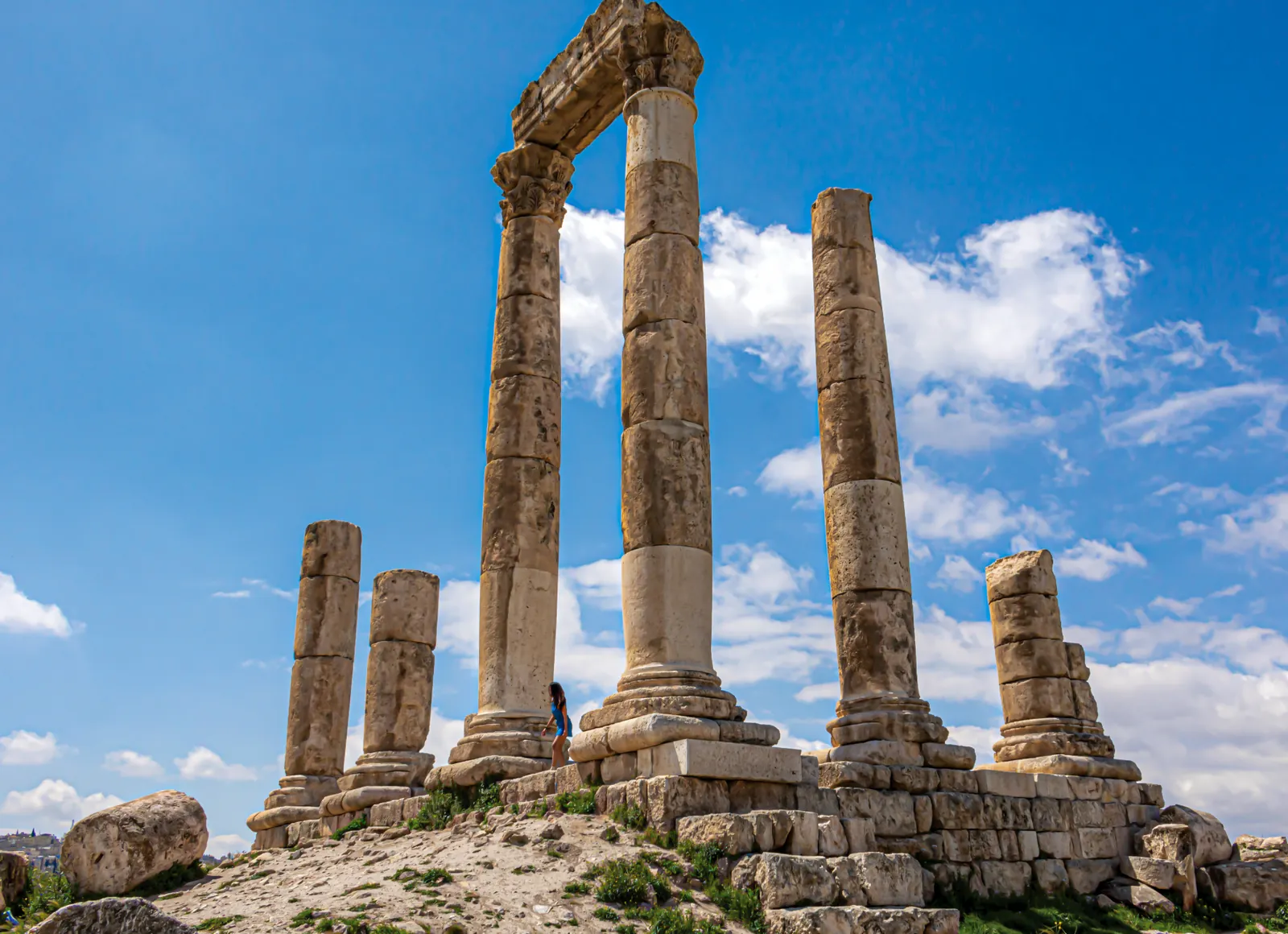
Amman gets written off as a transit city, but a full day here sets the tone. Start on Jabal al-Qala'a, the Citadel hill, where the columns of the Roman Temple of Hercules stand against the skyline. Then walk down into the downtown souq for falafel and hummus at one of the plain, crowded restaurants. Finish at the Roman Theatre as the light turns gold.
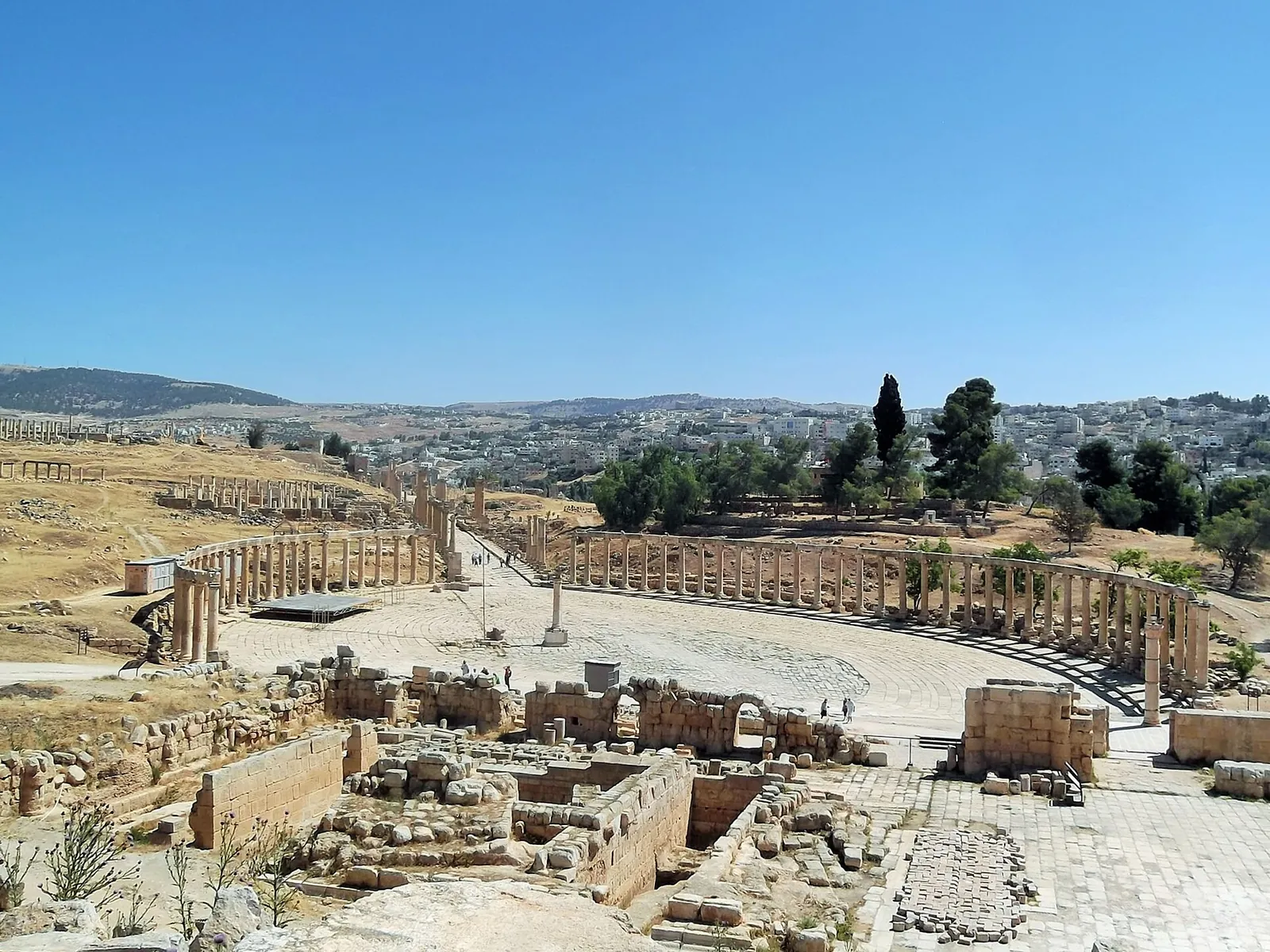
On day 2, go north to Jerash. It is about 45 minutes to an hour from Amman by car, and it is one of the best-preserved Roman provincial cities anywhere. Arrive when it opens to beat the tour groups. Walk through Hadrian's Arch, spend time in the Oval Plaza, follow the colonnaded main street to the Temple of Artemis, and climb to the South Theatre for the view over the whole site. Two hours is the minimum, and three is better.
The Jordan Pass covers Jerash and the Citadel. If you would rather not drive, a Jerash day trip from Amman is easy to arrange.
Short on time in the capital? A guided Amman city tour with the Citadel covers the main sights in half a day.
Day 3: Madaba and Mount Nebo
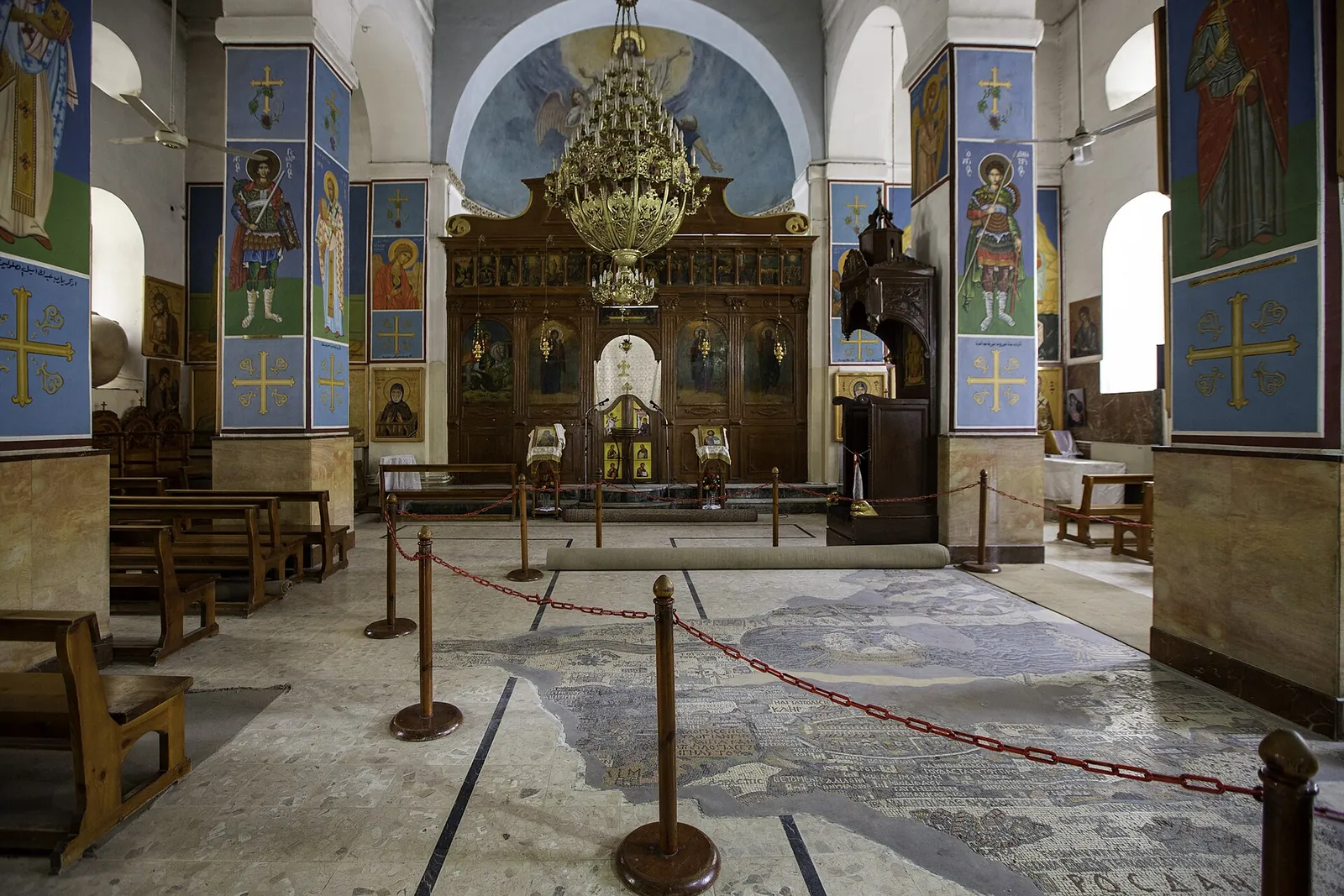
Madaba is about 30 minutes south of Amman, and it works as an easy first stop on the way to the Dead Sea. The town is known for the Byzantine mosaic map of the Holy Land on the floor of the Greek Orthodox Church of St George. Made in the 6th century, it shows Jerusalem at the centre and is the oldest surviving map of the region. It is small, so 30 minutes is enough.
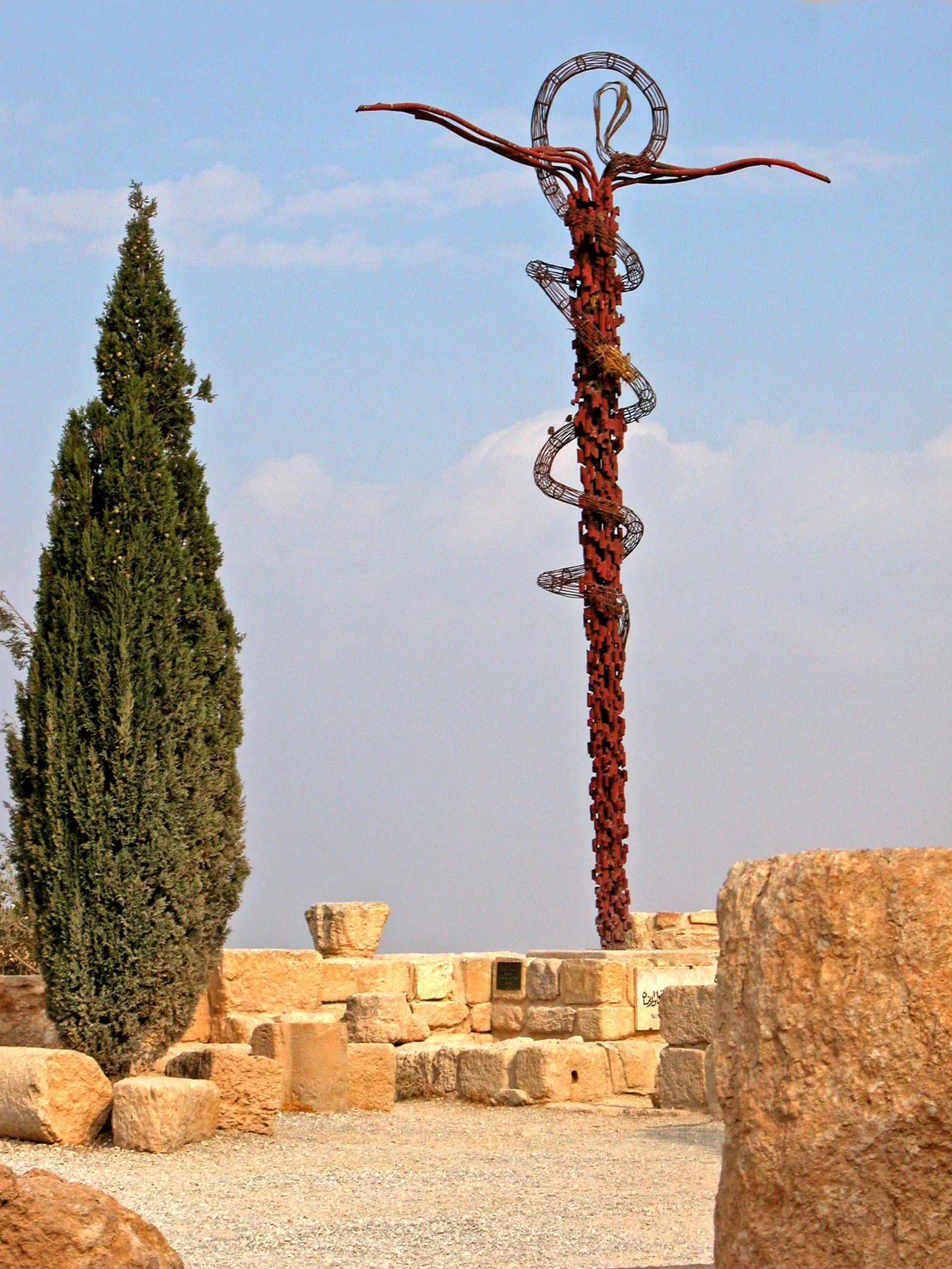
Mount Nebo is a short drive from Madaba, about 10 km, and it is where tradition says Moses saw the Promised Land. The viewing terrace looks over the Jordan Valley and the northern end of the Dead Sea, and on a clear day you can pick out the Jerusalem skyline. The serpentine cross sculpture stands outside the Memorial Church, and the mosaics inside are worth a look. Go in the morning, when haze is lowest.
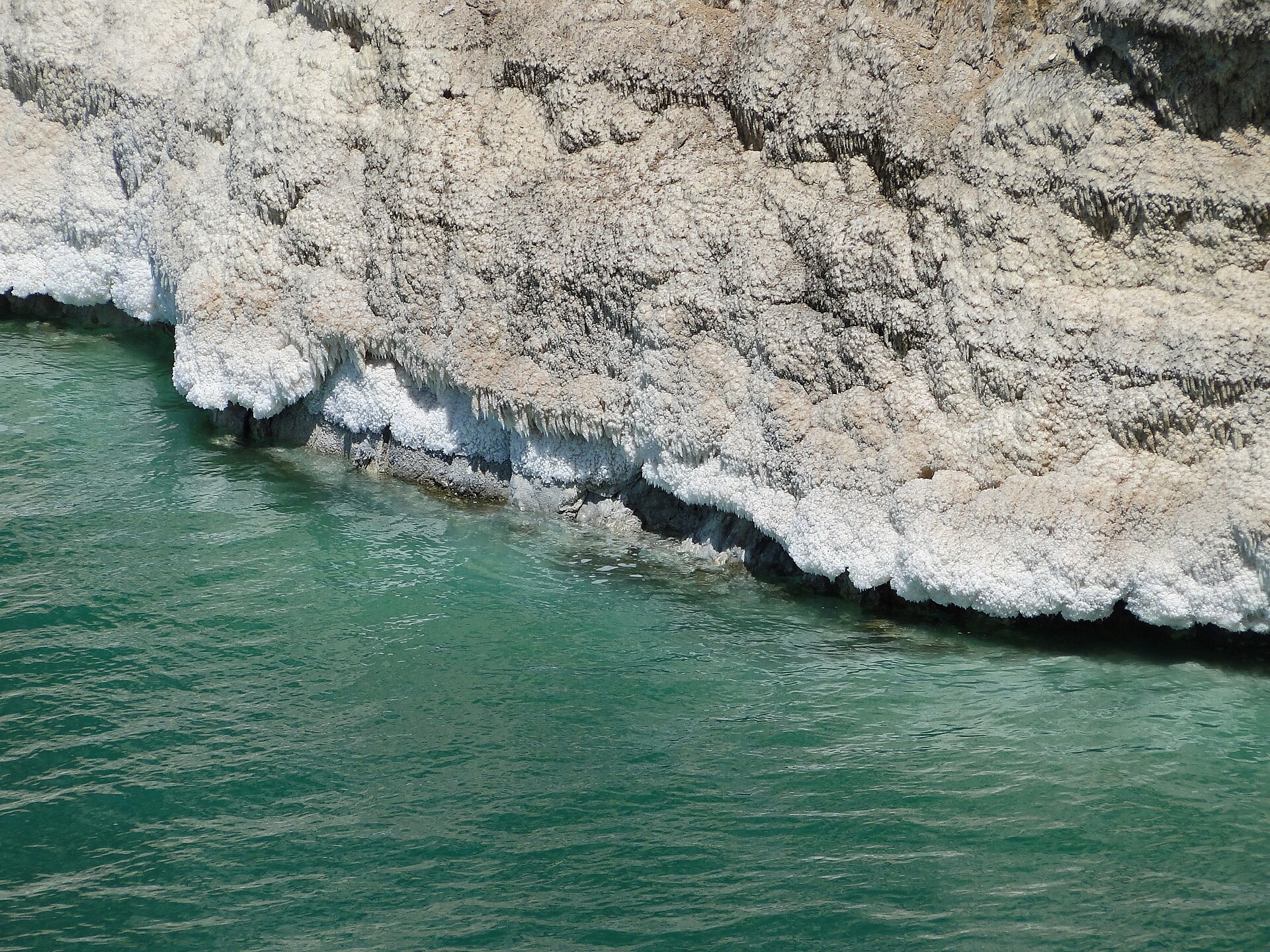
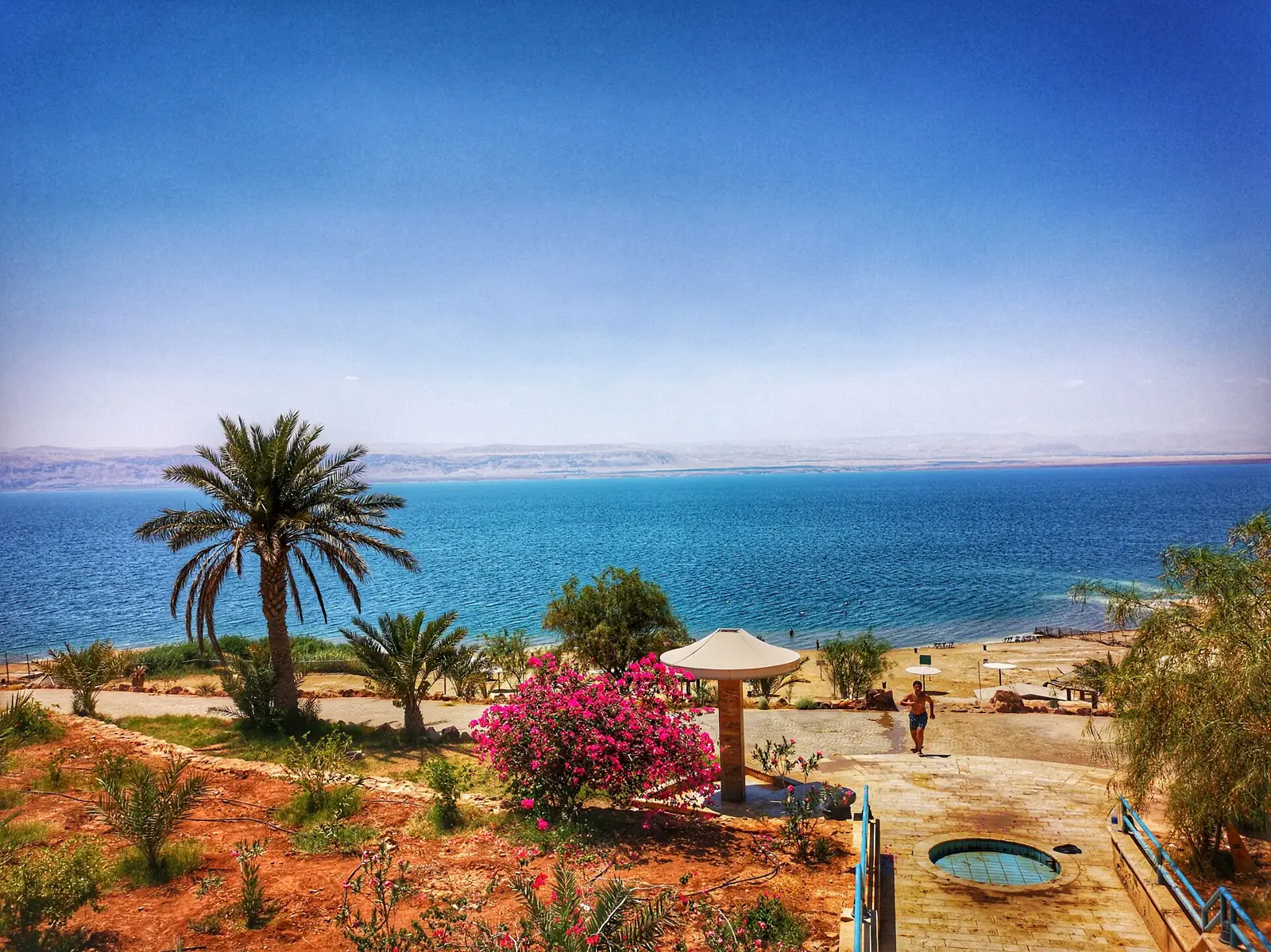
From Nebo the road drops steeply to the Dead Sea, more than 400 metres below sea level. It is about 30 to 40 minutes to the resort strip.
Day 4: the Dead Sea and Wadi Mujib
You can reach the Dead Sea in three ways. The public Amman Beach has a small entry charge, showers, loungers and a cafe, and it is the cheapest option. Resort day passes cost more but add pools, towels and better changing rooms. Or stay overnight and swim at sunrise, when the beach is empty. Prices vary by season and hotel, so check before you go.
The swim itself is short. Float on your back, keep the water away from your eyes, and don't shave beforehand. Fifteen to twenty minutes is plenty. Rinse off afterwards, and skip it if you have open cuts.
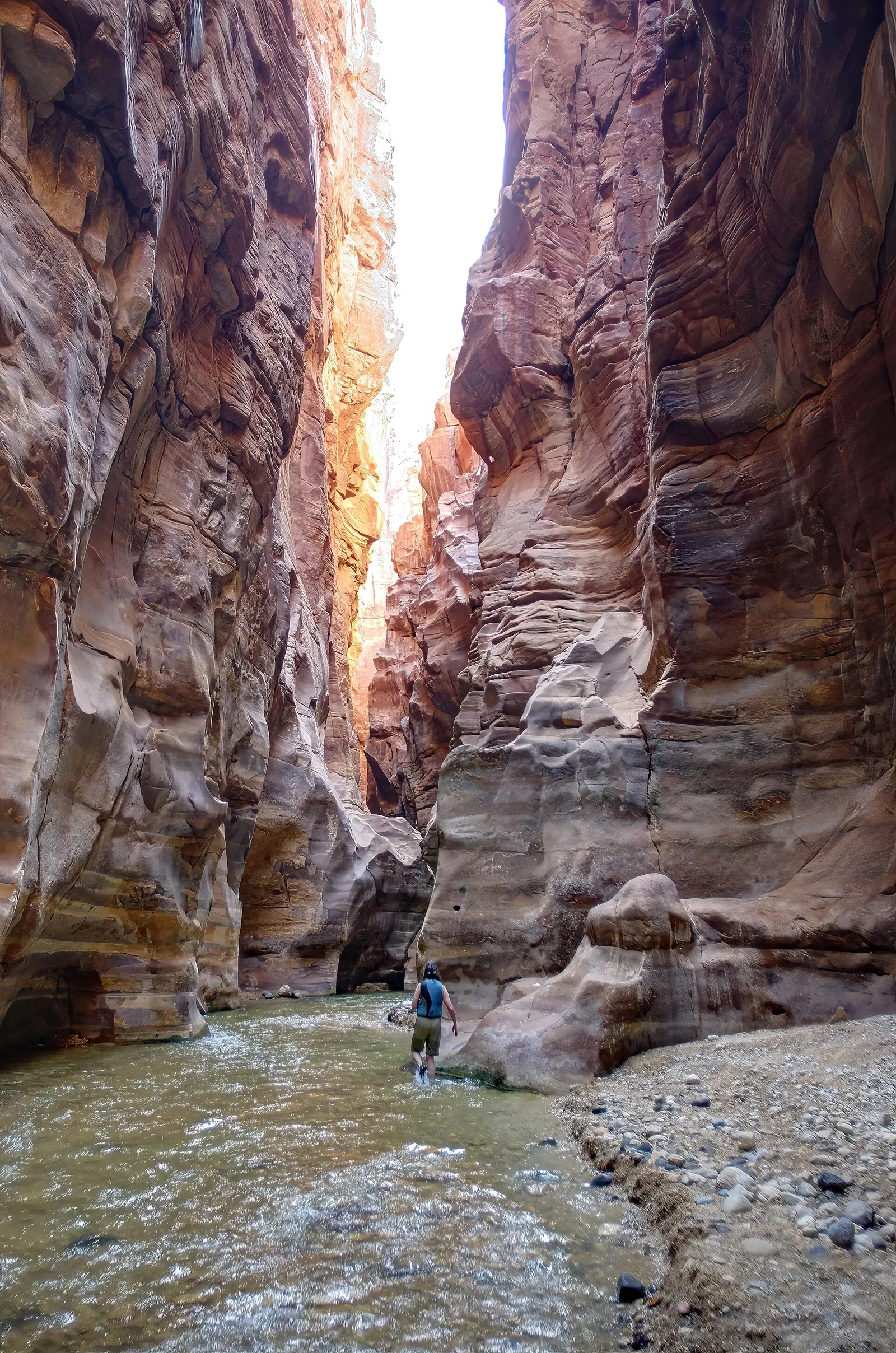
If you are travelling between April and October, consider swapping the beach for Wadi Mujib. The Siq Trail is a wet canyon walk run by the Royal Society for the Conservation of Nature. You wade, scramble and pull yourself along ropes through a narrow gorge, ending at a waterfall pool. The trail is open about 1 April to 31 October, depending on weather, and it closes after rain because of flash-flood risk. The fee was listed at about JOD 23 (US$33, Oct 2026) for non-Jordanians in 2026, and water shoes can be rented. You must be 18 or older. Bring a dry bag and a change of clothes.
Either way, leave by early afternoon. The drive from the Dead Sea to Petra is roughly three hours, and you want to arrive before dark.
Day 5: a full day in Petra
Petra is the reason most people come, and it rewards time. The Nabataeans carved their capital into pink sandstone more than 2,000 years ago, and the site is far bigger than the famous facade suggests. Plan on 8 to 10 hours of walking.
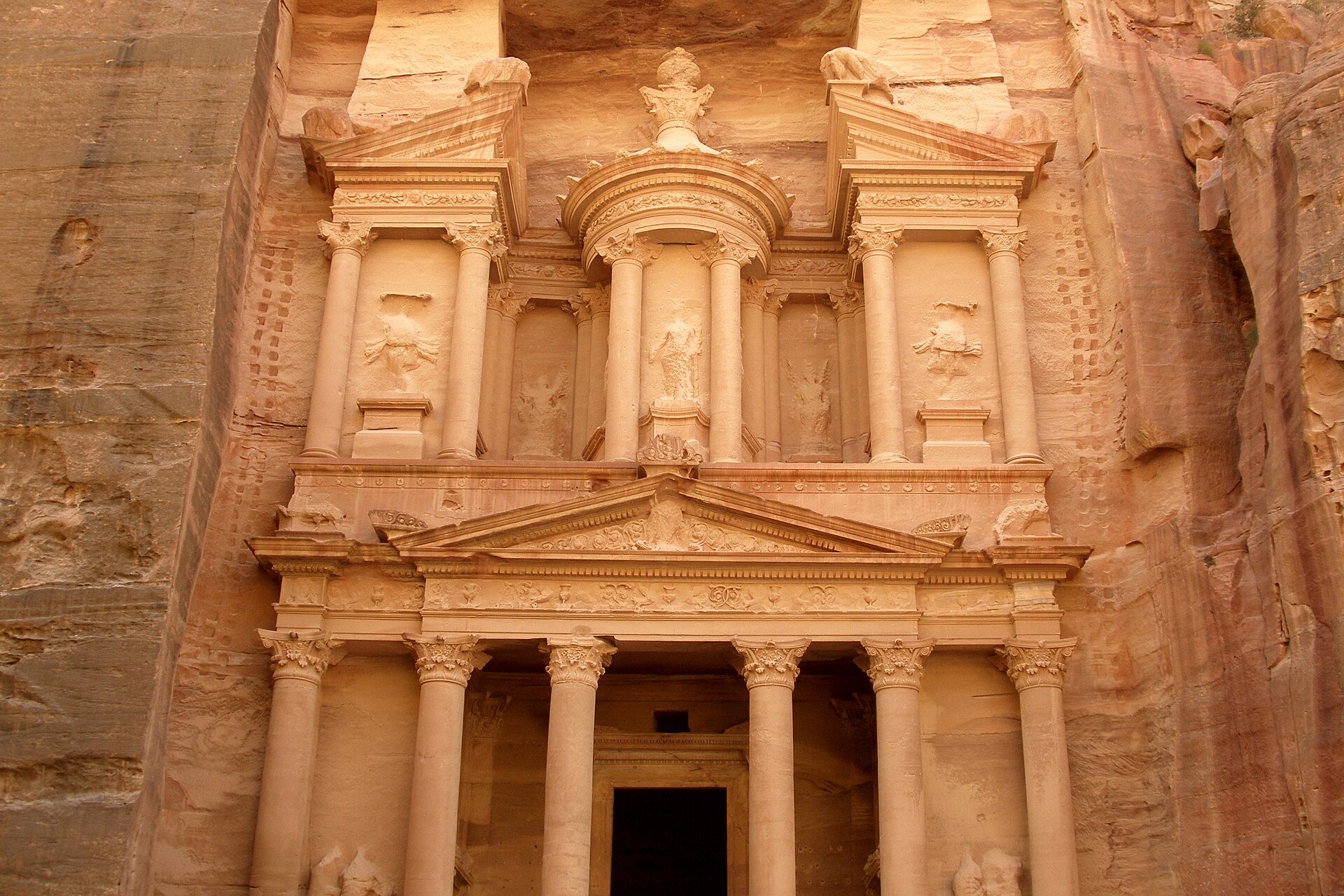
Go in as it opens at dawn. The walk to the Treasury (Al-Khazneh) starts at the visitor centre, down a dusty path and then into the Siq, a winding canyon about 1.2 km long. The walls close in to a few metres wide, and the Treasury appears in a thin slice at the end. Seeing it with a handful of people is worth the early alarm.
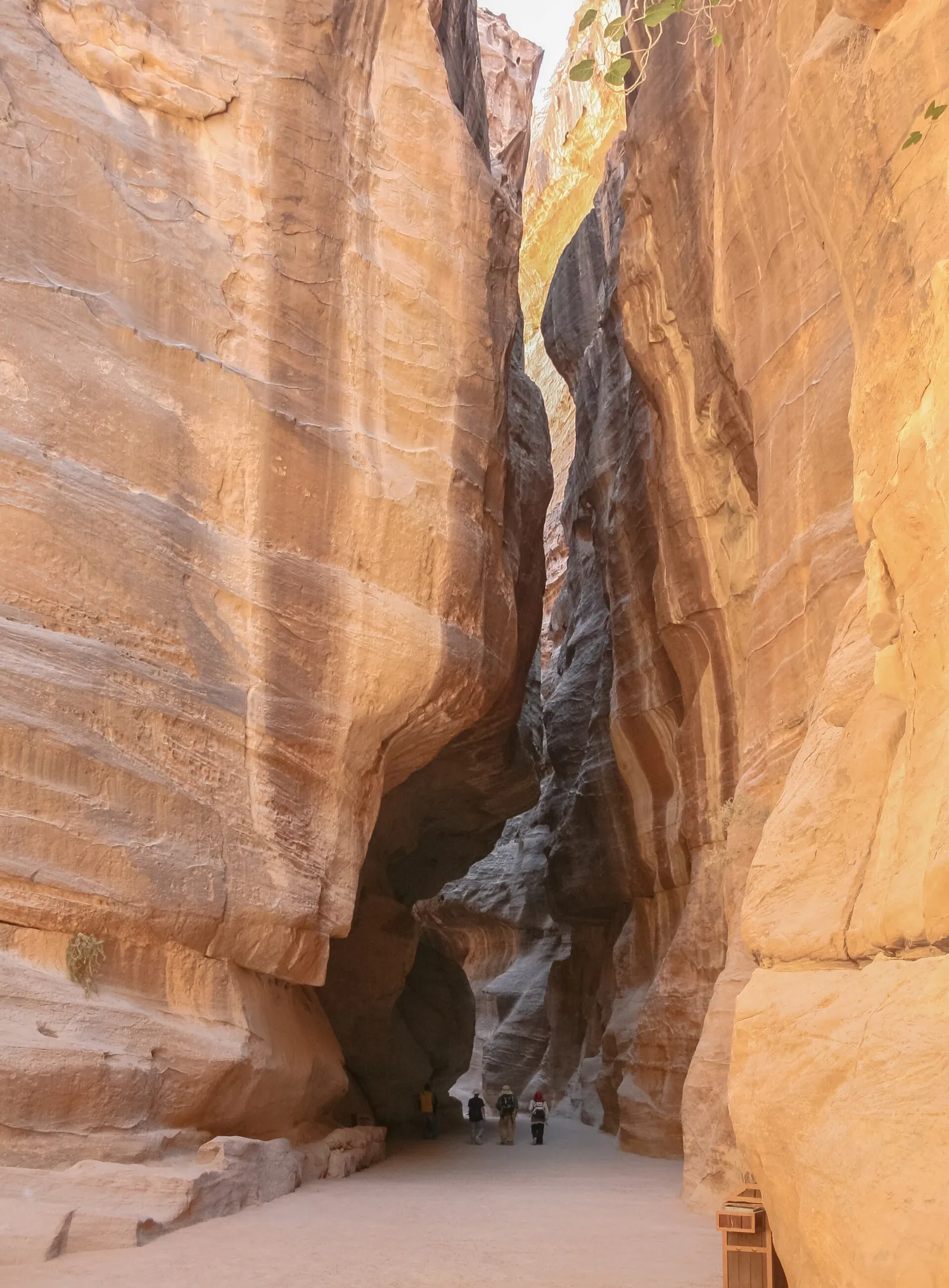
Most visitors turn around after the Treasury and the Street of Facades. Don't. Keep walking to the Theatre and the Royal Tombs, then continue down the colonnaded street toward the Qasr al-Bint temple.
The one big climb is to Ad Deir, the Monastery. It is about 800 steps cut into the rock, and takes roughly 45 minutes to an hour from the city centre. The monastery is wider and plainer than the Treasury, but it is far quieter, and the view from the ledge beyond is the best in Petra.
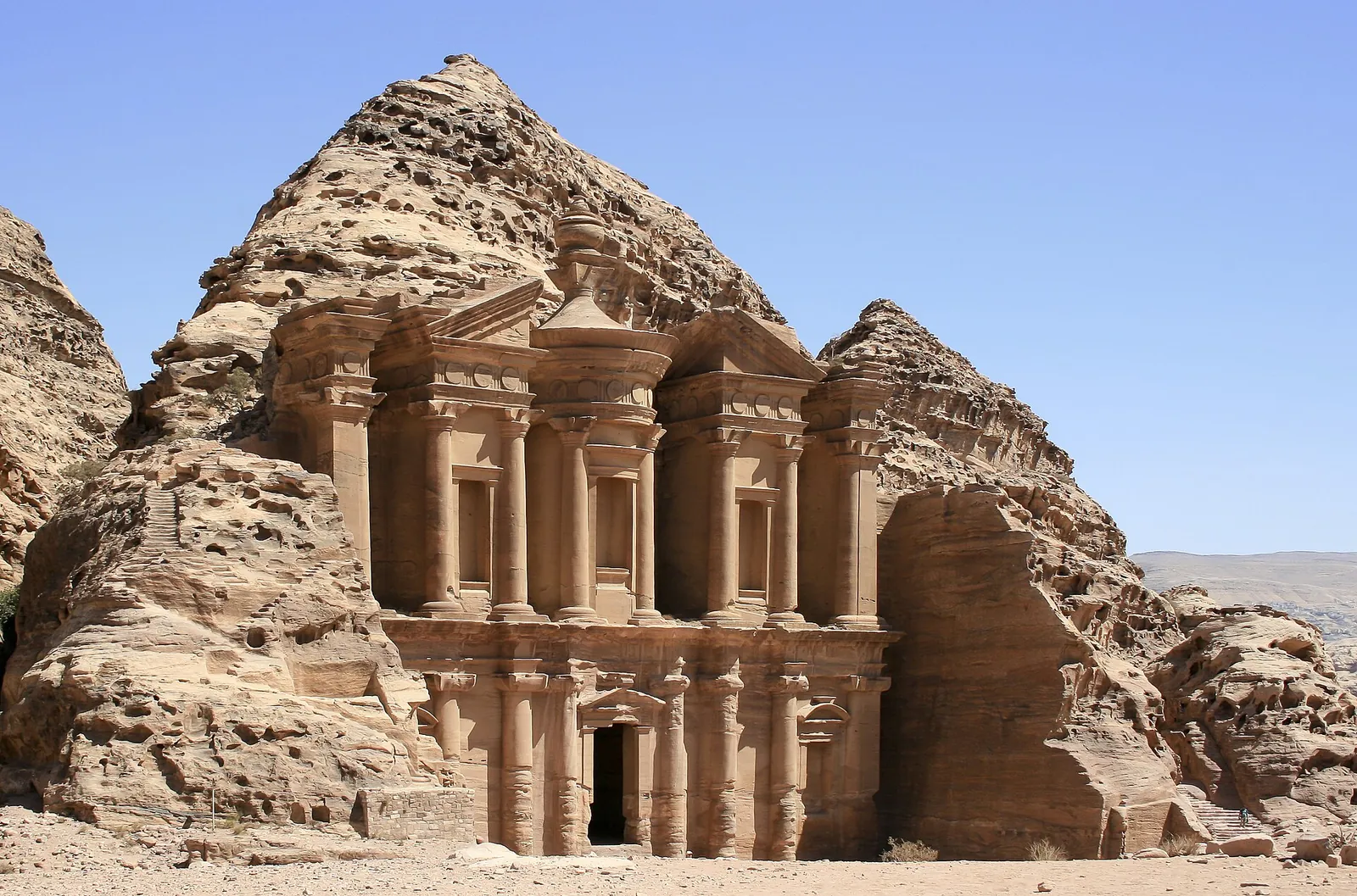
Entry is cheaper if you sleep in Jordan. Visitors staying overnight pay about JOD 50 (US$71, Oct 2026) for one day, JOD 55 for two and JOD 60 for three. Day-trippers who don't stay a night are reported to pay JOD 90 (US$127). The Jordan Pass folds the one-day ticket into a package that also covers the visa fee. Petra by Night, with candles lighting the Siq and the Treasury, runs on set evenings each week. The nights have changed over the years, so confirm the schedule and price at the visitor centre. It is a separate ticket, and the pass doesn't cover it.
If you want the Nabataean water system and tombs explained, a guided Petra tour helps on a first visit.
Day 6: Little Petra, then Wadi Rum
If you have a second day on your ticket, use the morning for something quieter. Little Petra, or Siq al-Barid, is a small Nabataean suburb a short drive north of Petra, with rock-cut rooms and painted ceilings that you can often have almost to yourself.
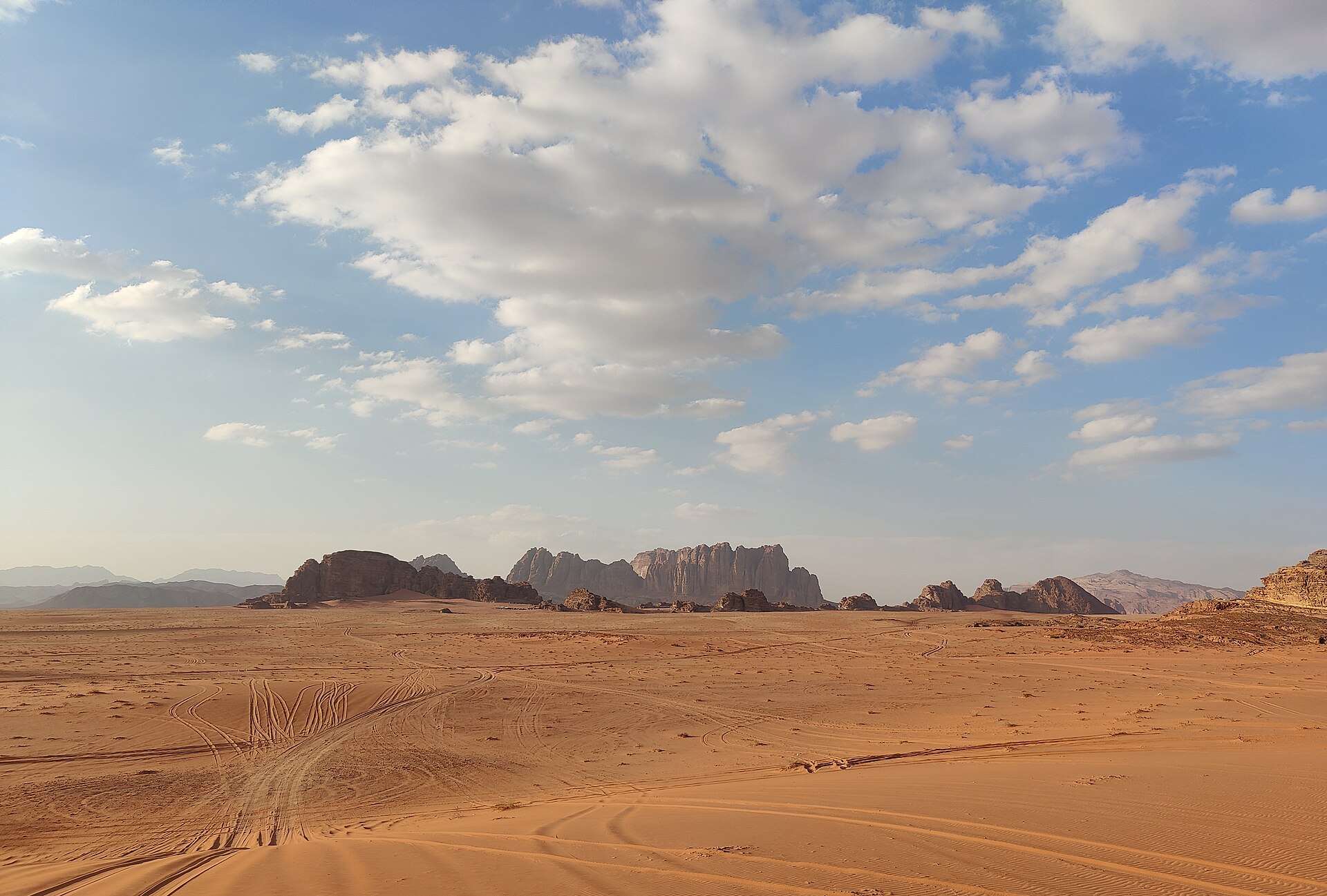
Wadi Rum is roughly an hour and 45 minutes south of Petra by road. Wadi Rum Protected Area charges about JOD 5 (US$7, Oct 2026) per adult, which the Jordan Pass covers. You enter at the visitor centre in Rum village, where Bedouin guides in 4x4 pickups run the tours. Half-day routes cover Lawrence's Spring, the Khazali canyon and the sandstone arches. Do the sunset stop at the dunes or a high rock, and stay for the stars.
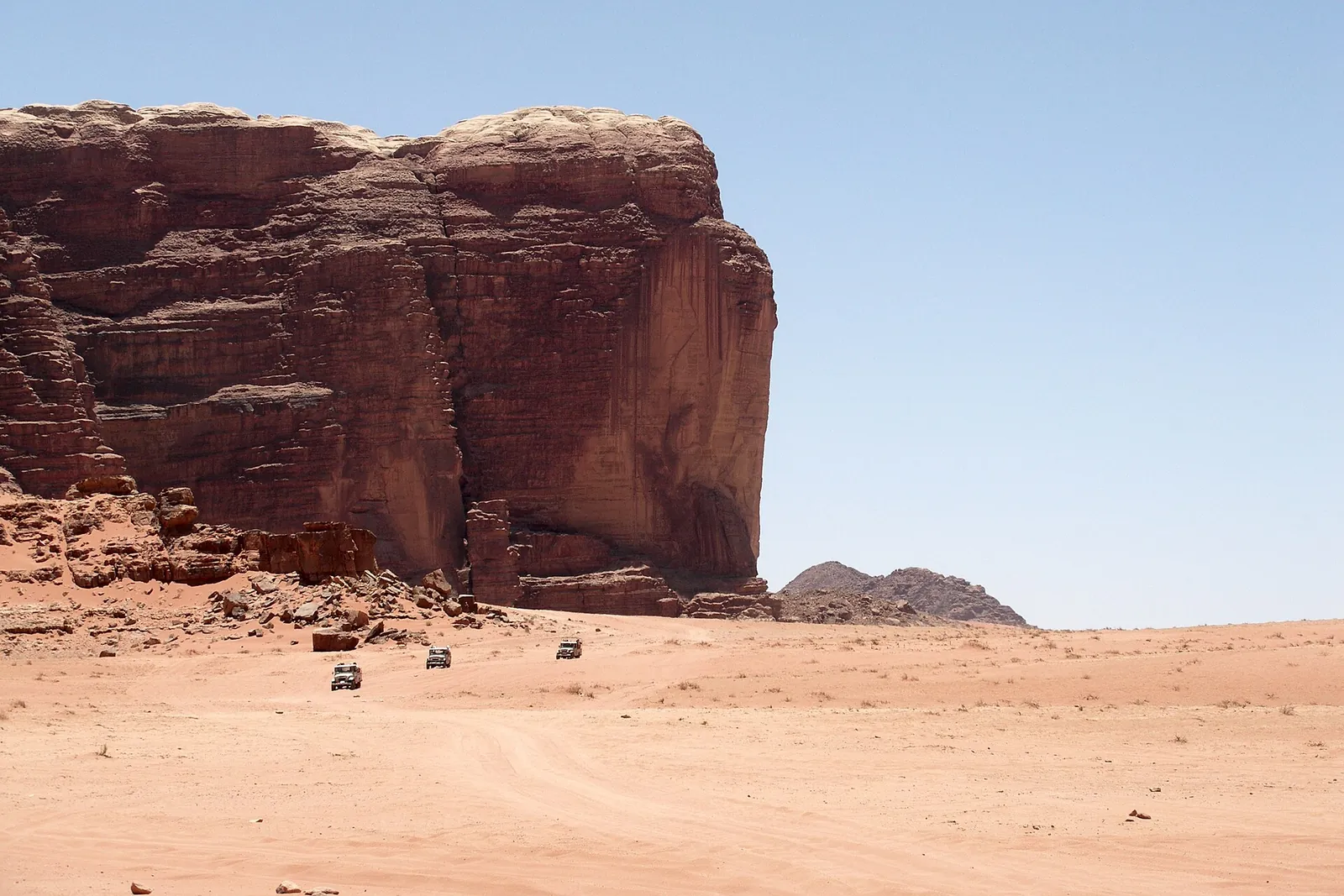
Camps range from simple tents with shared bathrooms to domed "bubble" tents with private ones. Ask whether meals, the zarb (food cooked in an underground oven) and the jeep tour are included. Winter nights are cold, so look for heating or thick blankets. Book ahead in spring and autumn.
Most camps bundle meals and a tour, so compare Wadi Rum overnight camps with dinner and breakfast before you commit.
A guided jeep tour handles routes and timing:
Day 7: Aqaba and heading home
Wake up for sunrise over the rocks, have breakfast at camp, and drive about an hour to Aqaba. This is Jordan's only coast, on the Red Sea, and it has warm water almost year-round. Snorkelling off the beaches south of town shows coral and reef fish a few metres from shore, and the seafront has good fish restaurants.
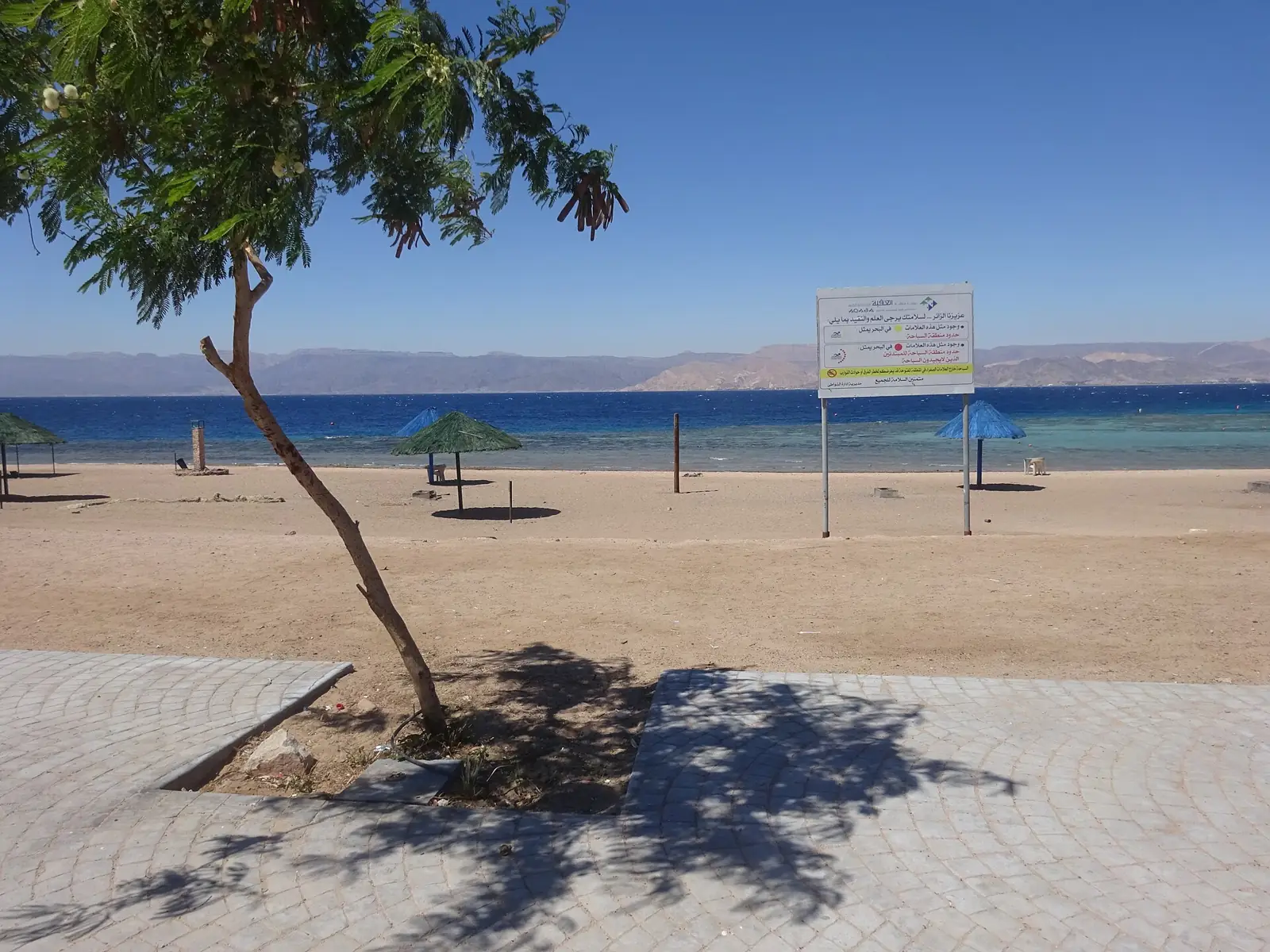
If you are flying out of Aqaba, King Hussein Airport (AQJ) is close to town. Otherwise it is about four hours back to Amman on the Desert Highway, so allow plenty of time before an evening flight. A Red Sea snorkelling trip from Aqaba is a good way to spend a spare half day.
Want to compare with the other side of the Red Sea? Our guide to Egypt beyond the pyramids covers Dahab, just across the Gulf of Aqaba.
Where to stay
Base yourself in Amman for the first two nights, ideally near Jabal Amman or downtown, so you can walk to the Citadel and the cafes. Petra's hotels are in Wadi Musa, the town at the gate. Staying close to the entrance gets you into the Siq at opening time. The Dead Sea resorts are all on one road, so choose by the beach and pool facilities you want. At Wadi Rum, pick a camp by the style: traditional Bedouin tents, or private domes.
Amman has the widest range of hotels, so book there in advance:
Getting around
You have three realistic options. Hiring a car gives you the most freedom, especially for the Dead Sea road, Madaba and Little Petra. The Desert Highway is straightforward, but expect speed bumps and police checkpoints. A private driver is the alternative if you don't want to navigate.
The JETT bus runs between Amman and Petra once a day, leaving Amman around 6:30am and arriving about 10:00 to 10:30am, with the return at 5:00pm. The fare is about JOD 10 (US$14, Oct 2026). Book ahead, and check the timetable for holidays and Ramadan. JETT buses don't serve the Wadi Rum junction, so arrange a transfer from Petra or Aqaba.
The third option is a tour. If you only have a few days and want everything arranged, Petra day trips from Amman are plentiful, though you will miss the early morning light. We'd rather give Petra two days.
What it costs: the Jordan Pass and the rest
The Jordan Pass is the first thing to sort out. It comes in three versions, which differ by how many days you get at Petra: Wanderer (one day) at JOD 70 (US$99, Oct 2026), Explorer (two days) at JOD 75 (US$106) and Expert (three days) at JOD 80 (US$113). Each one covers the visa fee of JOD 40 and the entry to Jerash, the Citadel, Wadi Rum, Little Petra and dozens of other sites. The visa waiver applies only if you buy the pass before arrival and stay at least three nights (some sources say two, so confirm when you buy). Petra by Night is not covered.
| Item | Cost (Oct 2026) |
|---|---|
| Jordan Pass, Wanderer (1 day Petra) | About JOD 70 (US$99) |
| Jordan Pass, Explorer (2 days Petra) | About JOD 75 (US$106) |
| Jordan Pass, Expert (3 days Petra) | About JOD 80 (US$113) |
| Petra without a pass, overnight visitor, 1 / 2 / 3 days | About JOD 50 / 55 / 60 (US$71 / 78 / 85) |
| Petra without a pass, day trip with no overnight stay | About JOD 90 (US$127) |
| Wadi Rum entry (free with the pass) | About JOD 5 (US$7) |
| Wadi Mujib Siq Trail, non-Jordanians | About JOD 23 (US$33) |
| JETT bus Amman to Petra, one way | About JOD 10 (US$14) |
The pass is worth buying if you stay three nights and see Petra and a few other sites. With the visa fee covered, the Wanderer at JOD 70 pays for what would be JOD 90 in separate visa and Petra charges, before Jerash and Wadi Rum. Prices change, so confirm them on the official Jordan Pass site before paying.
Lock in your dates first: compare flights from London to Amman or flights from Istanbul to Aqaba if you plan to run the route in reverse.
Tips for avoiding the rush
- Be at the gate at opening. The Siq is calmest in the first hour, before the day-trip buses arrive.
- Stay a night in Wadi Musa. It is the simplest way to avoid the three-hour drive on the same day.
- Dress for the season. Wear sturdy shoes for Petra, and layers for the desert nights. Cover shoulders and knees in towns and villages as a sign of respect.
- Bring cash. Small notes help for tips, taxis and camps.
- Water matters. Carry at least two litres at Petra, and more in summer.
- Check government travel advice. Jordan is widely visited, but the wider region can change quickly, so read your government's guidance before booking.
- Agree prices first. Donkey and camel rides inside Petra are optional.
The best months are March to May and September to November. In winter, Petra can be wet and Wadi Mujib is closed, but crowds are lower. Flying from Norway? This flight deal is a starting point:
See our Jordan destination page for more. For bigger bucket lists, try our roundup of cheap places to see before you die , and Egypt makes a natural pairing; start at our Egypt page.
Frequently asked questions
Is 7 days enough for Jordan?
Yes. Seven days covers Amman, Jerash, Madaba and Mount Nebo, the Dead Sea, a full day at Petra, a night in Wadi Rum and a stop in Aqaba. Five days works if you cut Jerash and the Dead Sea, and ten days lets you add Wadi Mujib, Dana and the Kings' Highway.
Is the Jordan Pass worth it?
Usually, if you stay at least three nights (confirm the visa-waiver rule when you buy). The pass costs about JOD 70 to 80 (US$99 to US$113, Oct 2026) depending on how many days you want at Petra, and it covers the JOD 40 visa fee, Petra entry, Wadi Rum entry and many other sites. It has to be bought before you arrive, and it doesn't cover Petra by Night.
How much does it cost to enter Petra?
About JOD 50 for one day, JOD 55 for two days and JOD 60 for three days if you stay overnight in Jordan (US$71, US$78 and US$85, Oct 2026). Visitors who don't stay overnight, such as day-trippers, are reported to pay about JOD 90 (US$127). The Jordan Pass includes the Petra ticket.
What days is Petra by Night?
The schedule has changed over the years, with sources listing three to five evenings a week from 8:30pm to 10:30pm. You need a separate ticket plus a daytime Petra ticket, and the Jordan Pass doesn't cover it. Confirm days and price at the Petra visitor centre.
How do I get from Amman to Petra?
By car it takes about three hours on the Desert Highway. The JETT bus leaves Amman once a day around 6:30am, arrives around 10:00 to 10:30am and returns at 5:00pm, for about JOD 10 each way. Book ahead and check the timetable around holidays and Ramadan.
When can you hike the Wadi Mujib Siq Trail?
The season is about 1 April to 31 October, depending on the weather, and the trail closes after rain. Entry was listed at about JOD 23 for non-Jordanians in 2026, and you must be 18 or older.
When is the best time to visit Jordan?
March to May and September to November, when temperatures suit walking at Petra and sleeping in the desert. Summer is hot, especially in Wadi Rum, Aqaba and the Dead Sea. Winter is cooler and wetter, with cold desert nights, but it is quieter.
Deals on this page open on partner sites (Aviasales, Klook and others via Travelpayouts); we may earn a commission, and your price doesn’t change.
Deals for this trip
Hand-checked cards from our catalog. Booking opens on the partner site.