Tourison/Blog/Top 10 / listicles
10 Places You Must See Before You Die (And How to Get There Cheap)
Tourison may earn a commission when you book through links on this page, at no extra cost to you. How we pick deals
Ten places to see before you die, from Petra and Machu Picchu to Lofoten and Ha Long Bay, with the cheapest month and cheapest route for each.
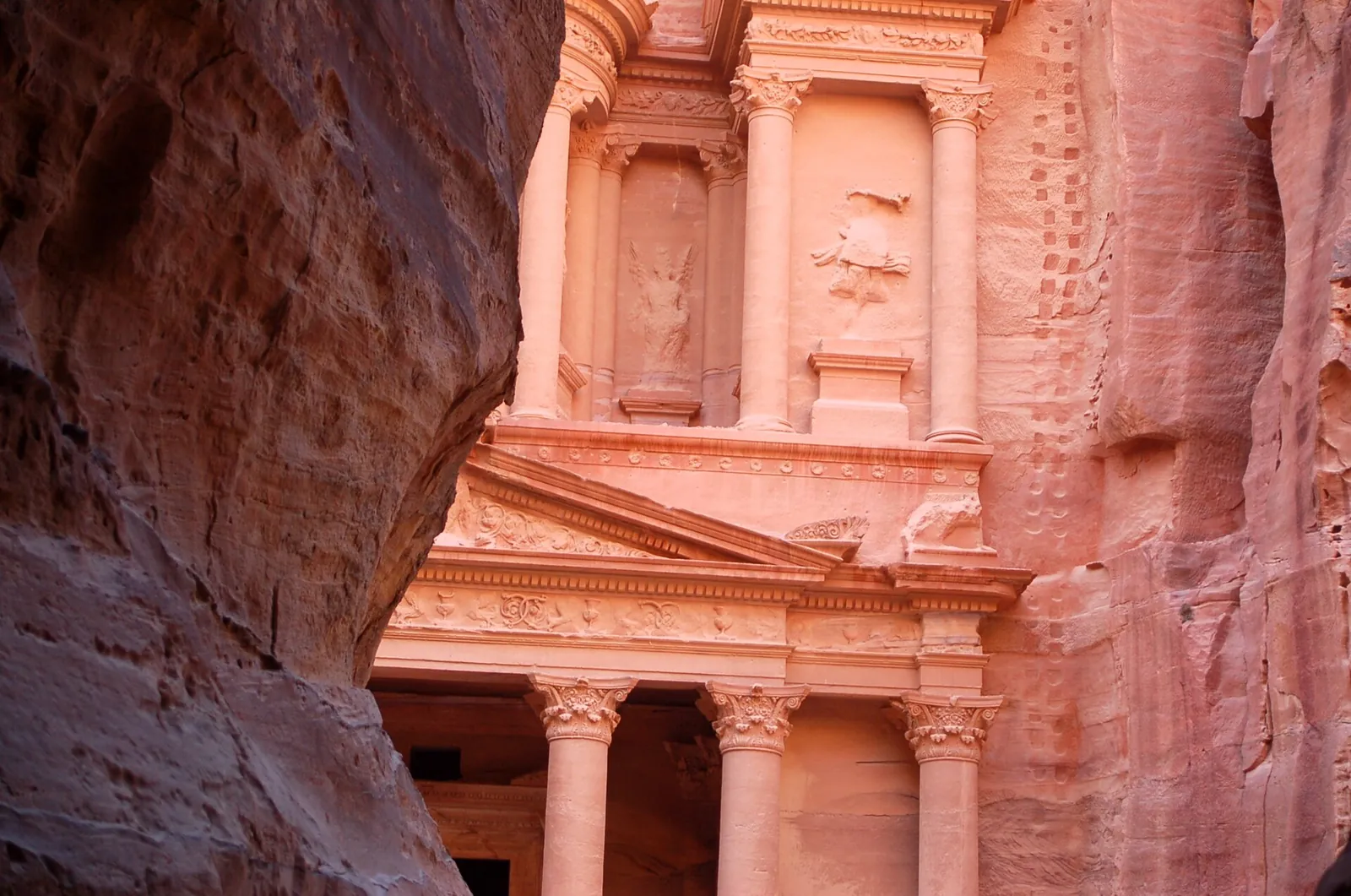
Most lists of places to see before you die stop at the dream. This one carries on to the boring, useful part: which month the prices drop, which airport to fly into, and what the entry ticket actually costs once you get there. We picked ten places that justify a long trip on their own, from Petra's carved facades to the drowned karst of Ha Long Bay, and worked out the cheapest sensible way to reach each.
A quick note on scope. This is a list of places. If you are after things to do, such as a balloon flight, a night under the aurora or a cruise, our sister post on once-in-a-lifetime experiences covers those. Here, the destination is the point.
- Best time overall: shoulder season for each place, usually the month just before or after peak. Specific cheap months are listed under every entry.
- Budget: entry tickets range from about 700 EGP (roughly US$15) at Giza to S/163 (about US$47) at Machu Picchu and 50 JOD (about US$70) at Petra, as of Oct 2026.
- How to get there: fly into the nearest hub (Cairo, Amman, Lima, Bangkok, Hanoi, Tokyo, Keflavík), then go overland by bus, train or ferry.
- Days needed: 3 to 10 days per place, including travel days. Petra and Angkor work in 3 or 4; Japan and Egypt want at least a week.
What the big ten cost at the gate
Flights move every week, so here are the costs that don't: entry tickets and the low-season window, with prices checked in October 2026.
| Place | Cheapest window | Key fixed cost | Days |
|---|---|---|---|
| Petra, Jordan | Dec to Feb | 50 JOD one-day ticket, or Jordan Pass from 70 JOD | 3–4 |
| Machu Picchu, Peru | Nov to Mar (rainy) | S/163 entry, train from about US$65 each way | 4–5 |
| Angkor, Cambodia | May to Oct (green season) | US$37 / 62 / 72 for 1 / 3 / 7 days | 3–4 |
| Egypt (Giza to Abu Simbel) | Jun to Aug | Giza 700 EGP, Abu Simbel about 750 EGP | 7–10 |
| Iceland | Nov, Jan to Mar | Flybus from Keflavík ISK 3,999 | 5–7 |
| Lofoten, Norway | Late Sep to Oct | Bodø–Moskenes ferry, about 3 h 15 min | 4–6 |
| Cappadocia, Türkiye | Dec to Feb (outside holidays) | Göreme Open Air Museum €20, balloon from about €80 | 3 |
| Japan (Tokyo and Kyoto) | Jan to Feb, June | 7-day JR Pass ¥50,000–53,000 | 7–10 |
| Bali, Indonesia | Feb to Mar, Oct to Nov | Tourist levy IDR 150,000 | 6–8 |
| Vietnam (Ha Long and Hoi An) | Dec to Feb (Ha Long) | Overnight cruise from about US$135 | 7–10 |
1. Petra, Jordan: the rose-red city on every list of places to see before you die
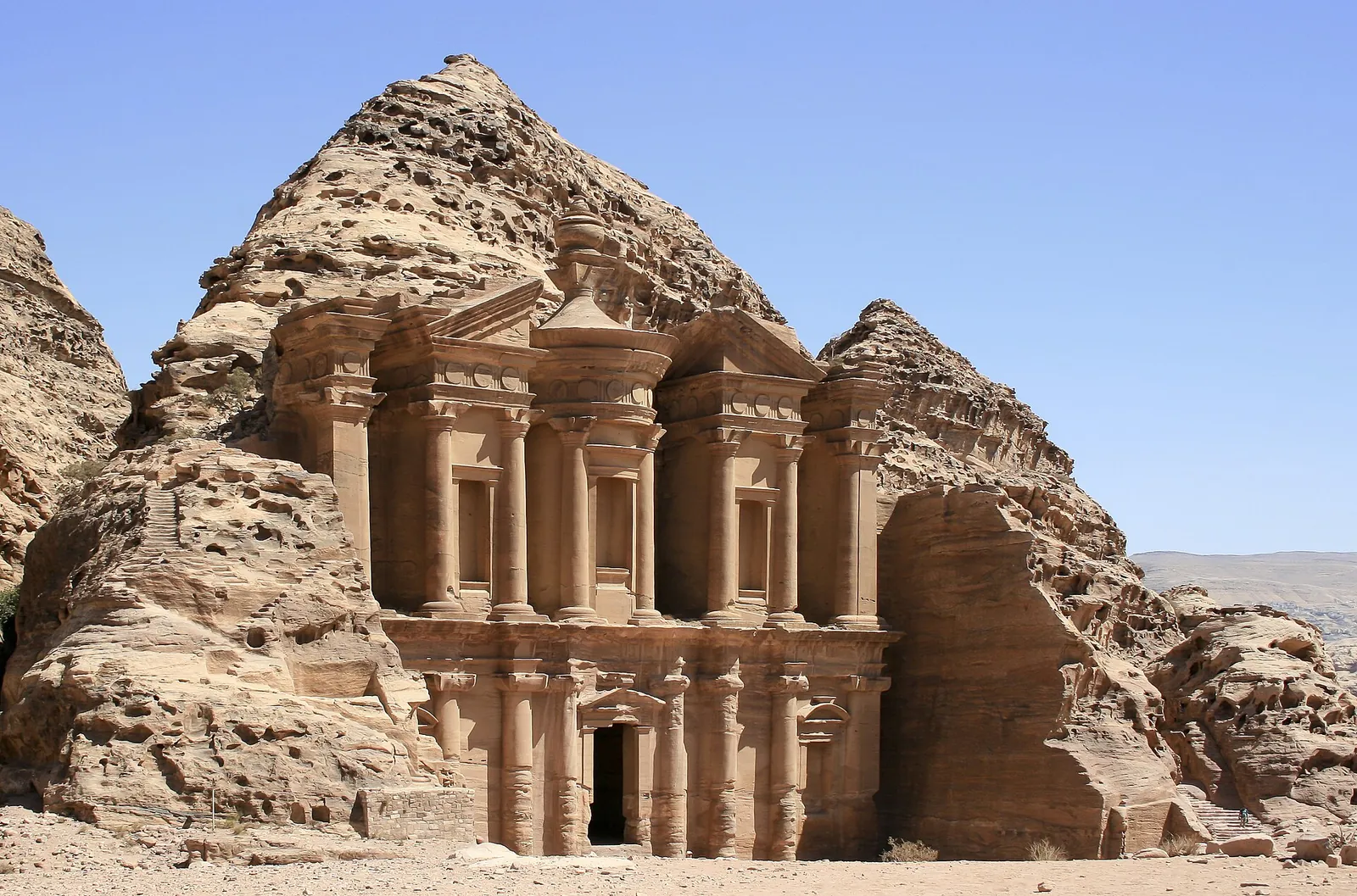
Why go: You walk about 1.2 km through the Siq, a narrow sandstone gorge, and the Treasury appears in a slot of light at the end. That first sight is what most people come for, but the bigger payoff is the climb to the Monastery (Ad Deir), around 800 rock-cut steps, and the near-empty trails to the High Place of Sacrifice. One day is enough for the highlights. Two is better, because your legs will want it.
Cheapest month: December to February. It is cold at night and rain is possible, but hotels in Wadi Musa discount hard and the Siq is quiet before 9am. March to May and September to November are the busy seasons.
Cheapest route: Fly into Amman, where Ryanair and other low-cost carriers have been adding European routes. Compare flights to Amman for winter dates. From Amman, the JETT bus leaves Abdali station at 6:30am, costs about 10 JOD one way and takes roughly 3.5 to 4 hours. On the ticket side, a one-day Petra entry is 50 JOD if you stay overnight in Jordan. The Jordan Pass (70 JOD for one Petra day, 75 for two, 80 for three) also waives the 40 JOD tourist visa if you meet the minimum stay, so it almost always pays for itself. If you would rather not organise the logistics, there are guided Petra tours from Amman and Aqaba that bundle transport and a guide.
2. Machu Picchu, Peru
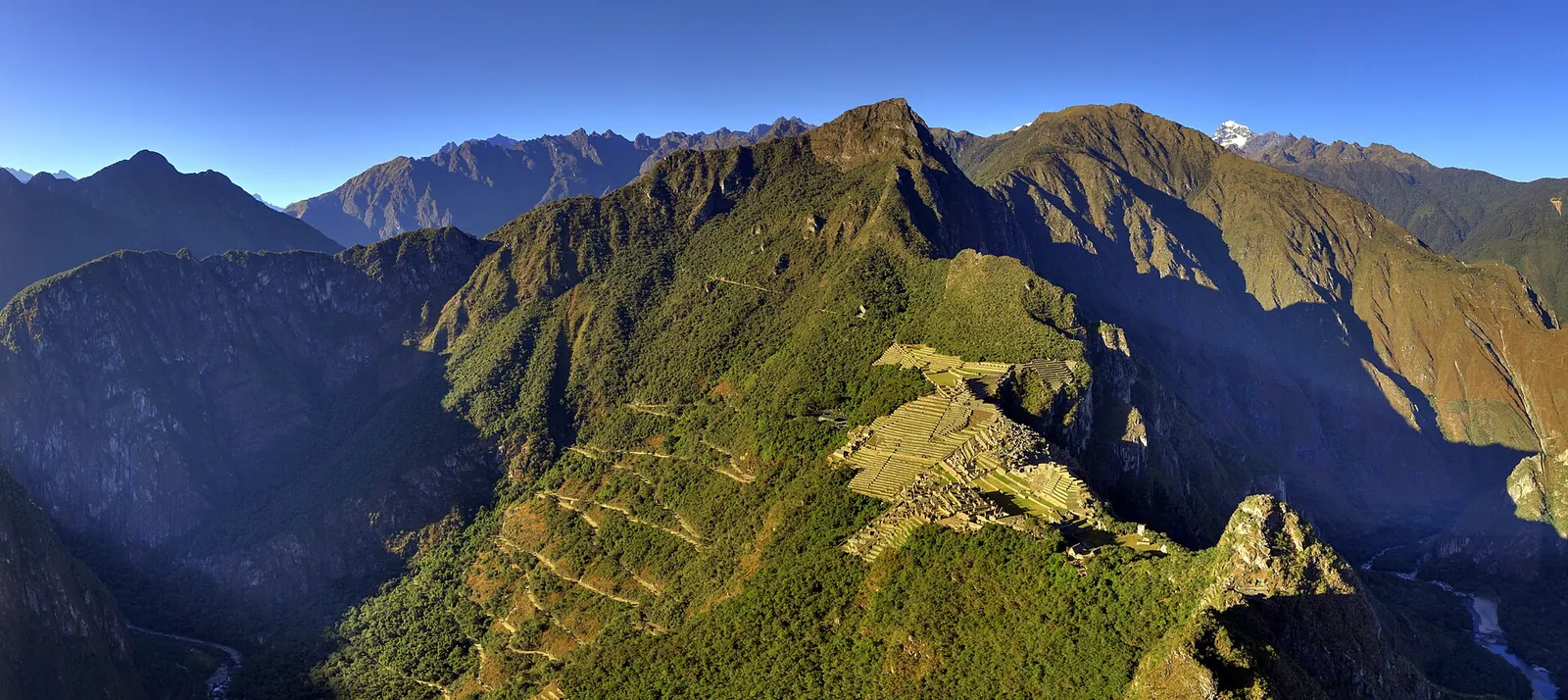
Why go: The Inca citadel sits on a saddle between two peaks at about 2,430 m, with the Urubamba River looping far below. Photos make it look tidy. In person it is steep, terraced and stitched into the mountain, and on most mornings the cloud burns off it slowly, ruin by ruin.
Cheapest month: November to March is the rainy season and the low season. February is the wettest and the classic Inca Trail is closed all month for maintenance, though Machu Picchu itself stays open. For a better balance of price and weather, aim for April or early November. High season, with 5,600 tickets a day, runs from June 19 to November 2.
Cheapest route: Fly to Lima, then take a short domestic hop: Lima to Cusco flights take about 1 hour 20 minutes. From Cusco, go by road to Ollantaytambo and catch the train to Aguas Calientes (about 1 hour 45 minutes to 2 hours). PeruRail's Expedition class runs from about US$65 to US$90 each way (Oct 2026), and prices swing by departure time. The foreign adult entry ticket is S/163 (about US$47) since a S/11 conservation surcharge was added in May 2026, and routes including Huayna Picchu or Machu Picchu Mountain cost more. Tickets sell out weeks ahead in high season, so book entry first and trains second. A Machu Picchu day trip from Cusco can be worth it if you are short on time.
Ollantaytambo trains sell out alongside entry tickets in high season, so once your entry is confirmed, compare Machu Picchu train tickets by departure time.
3. Angkor, Cambodia
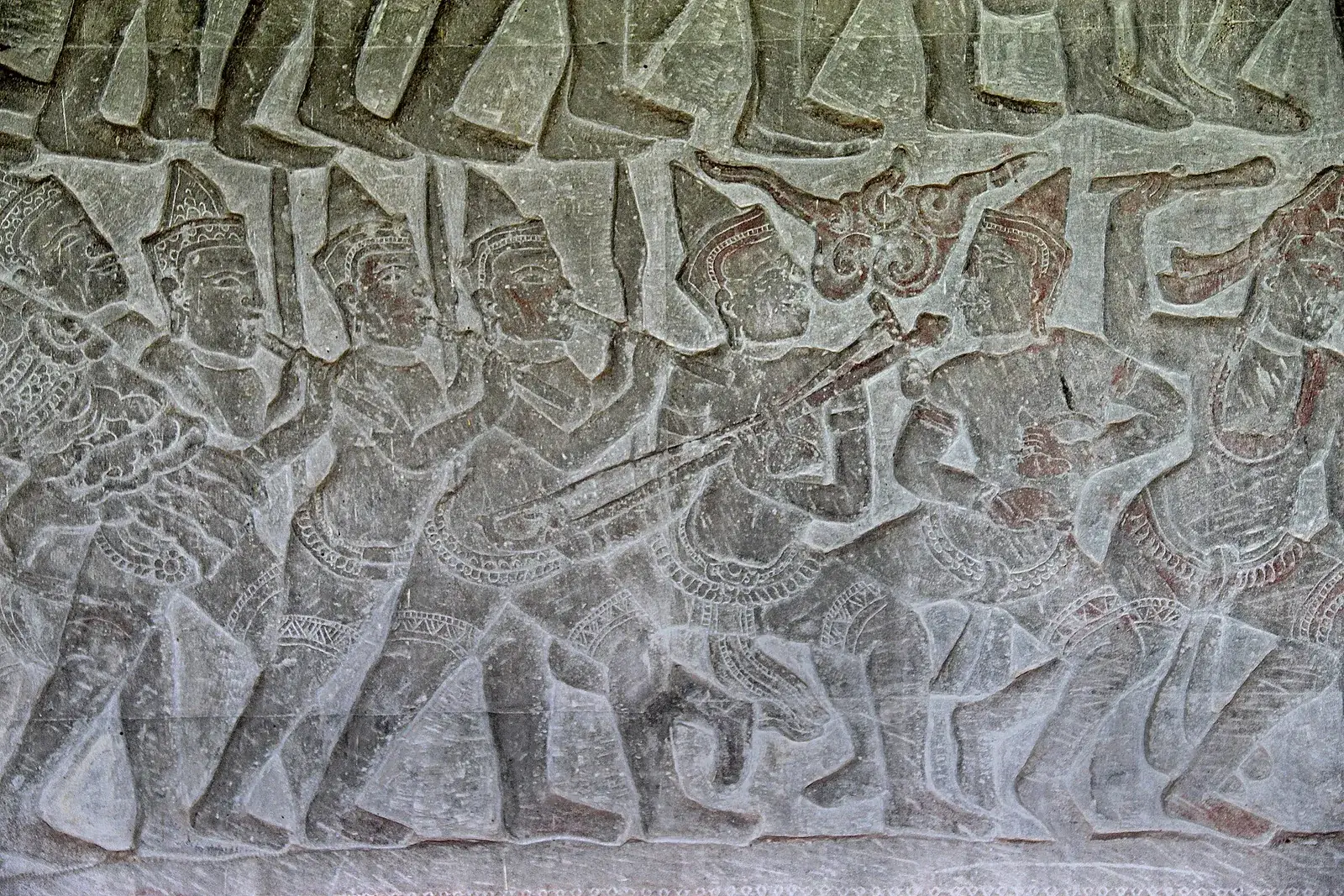
Why go: Angkor is not one temple but a whole former capital spread across roughly 400 square kilometres of forest. Angkor Wat gets the sunrise crowds. Ta Prohm, with its strangler figs prying the stones apart, and the Bayon, with more than 200 calm stone faces, are the ones people remember.
Cheapest month: May to October, the green season. Afternoon downpours are common, but mornings are often clear, the moats are full and rooms in Siem Reap drop sharply. April is the hottest month and best avoided.
Cheapest route: Most travellers connect through Bangkok, Singapore or Kuala Lumpur into Siem Reap-Angkor International Airport (SAI), which opened in 2023 about 45 km east of town. The airport shuttle bus costs around US$8 and takes about an hour, much cheaper than a taxi. Passes are US$37 for one day, US$62 for three days (used within a week) and US$72 for seven days, sold only by the government operator Angkor Enterprise. The three-day pass is the sweet spot. Hire a tuk-tuk for the day or book an Angkor Wat sunrise tour if you want a guide to explain the carvings.
4. The Pyramids and Upper Egypt
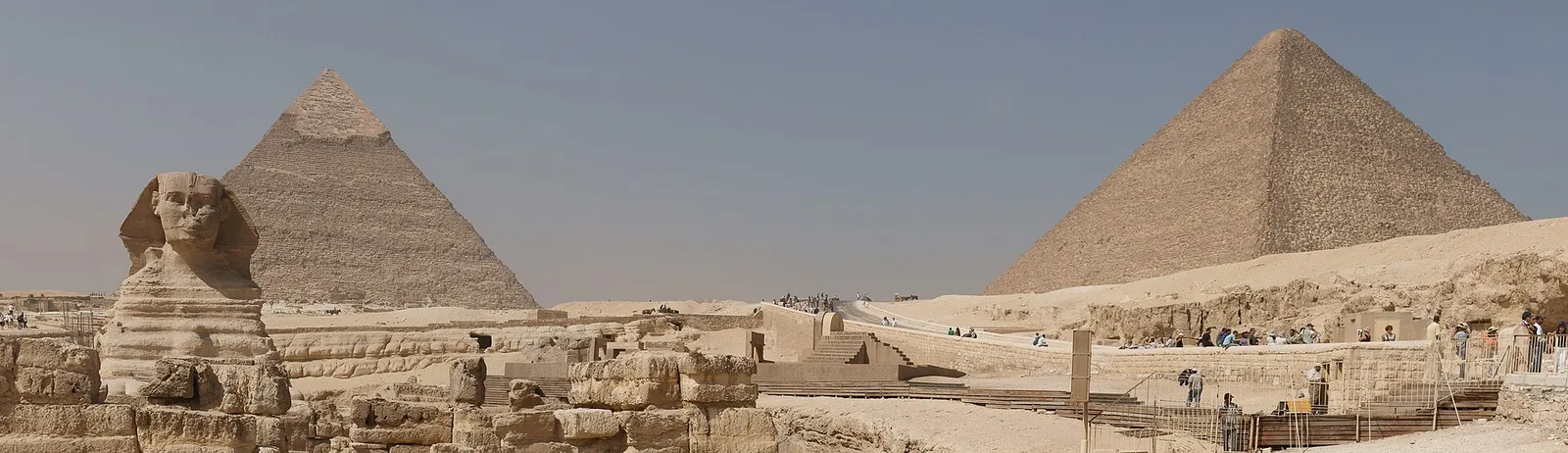
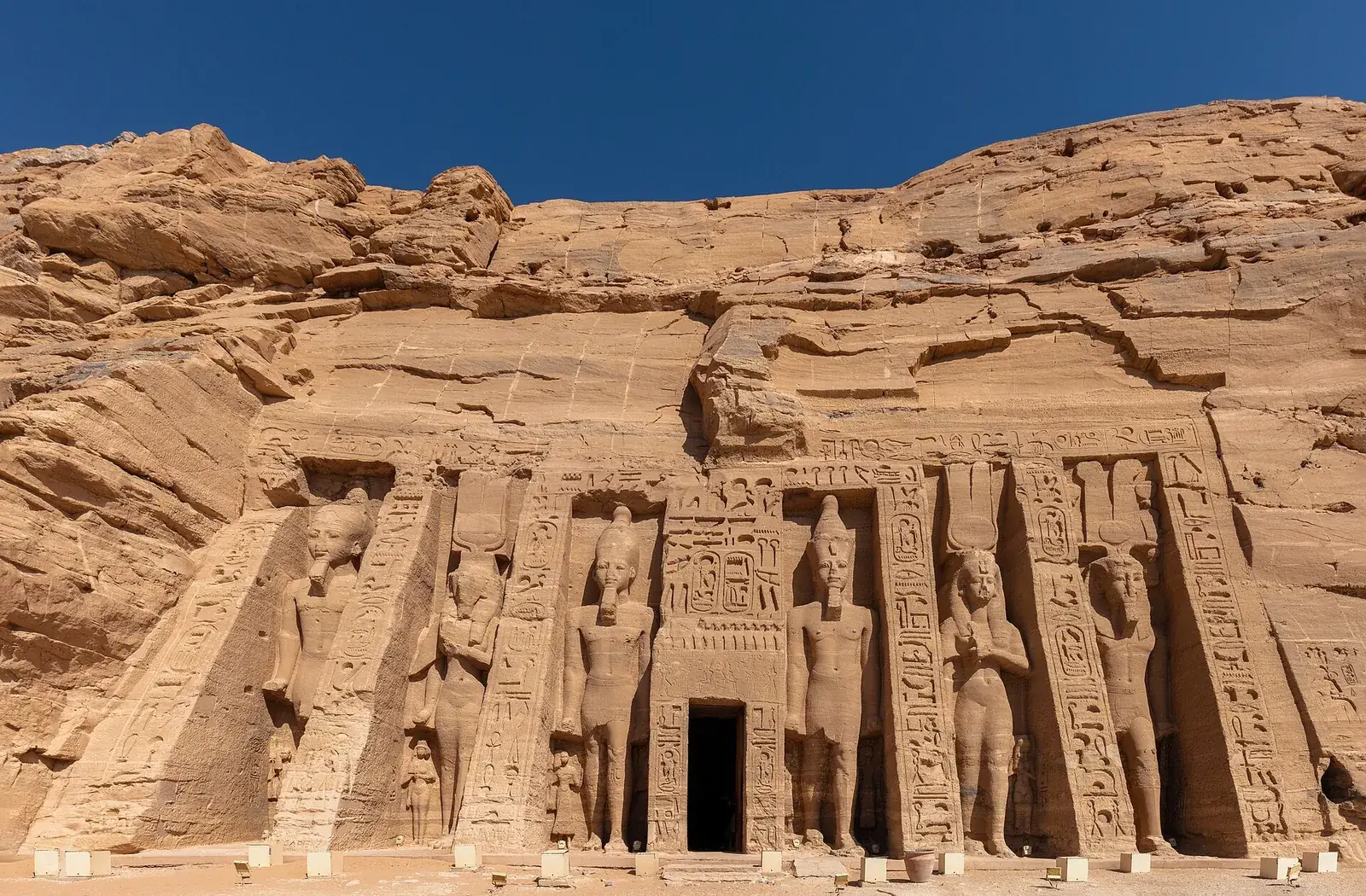
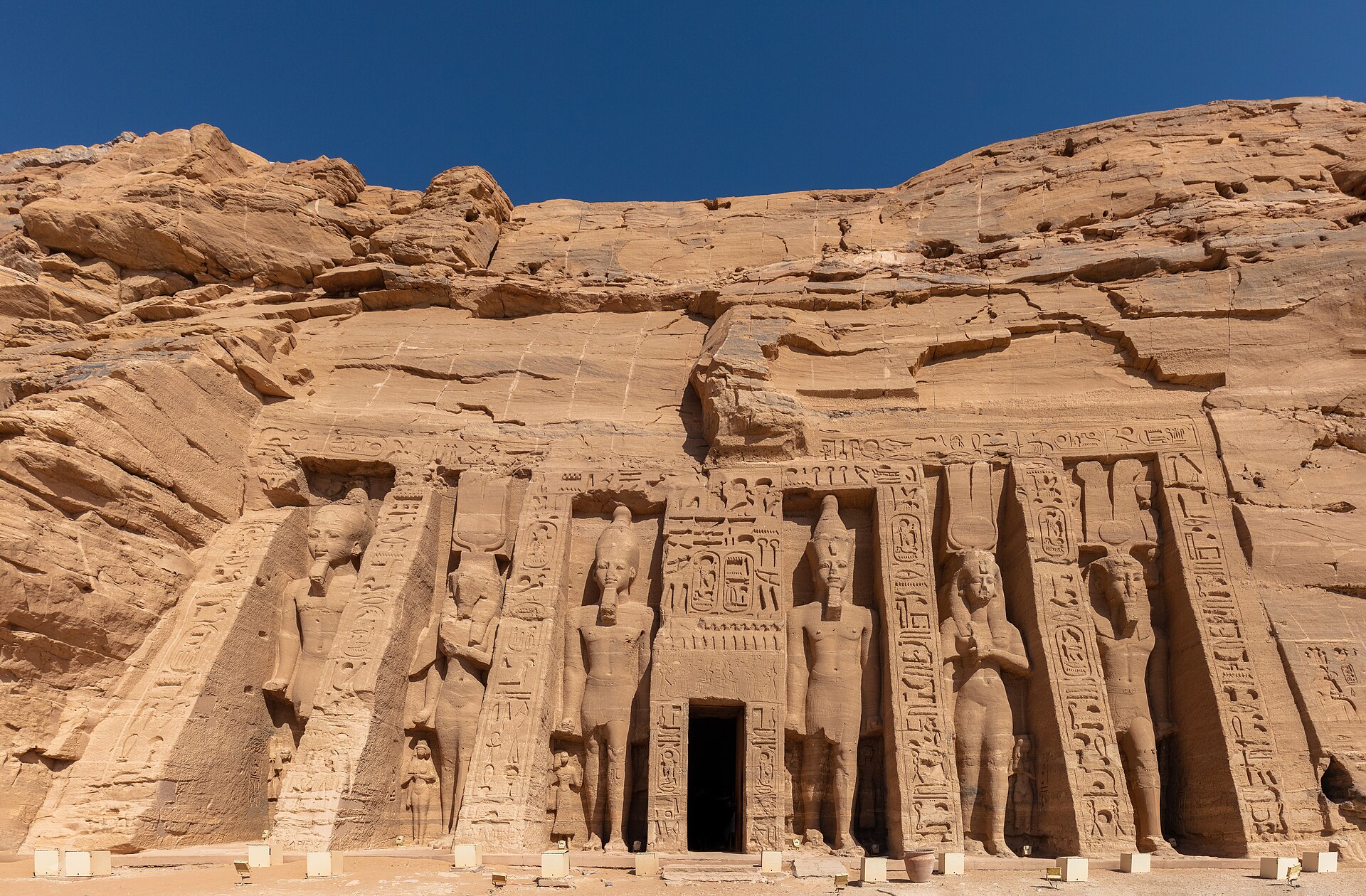
Why go: The Great Pyramid of Giza is the only one of the Seven Wonders of the Ancient World still standing, and it still looks impossibly big from the edge of the desert plateau. But Egypt rewards going south. Luxor's Karnak Temple and the Valley of the Kings, then Aswan and the colossal statues of Abu Simbel near the Sudanese border, make the trip feel like a journey through time rather than a photo stop.
Cheapest month: June to August is the low season, with the lowest hotel and cruise prices and temperatures to match (Aswan regularly passes 40°C). If you can't face that heat, May and September are the compromise: still hot, but noticeably cheaper than the December to February peak.
Cheapest route: Fly into Cairo, see Giza (700 EGP, about US$15, for the plateau), then take the overnight train south to Aswan. A Nile cruise between Aswan and Luxor covers transport, beds and most meals in one price, which is often cheaper than doing it piece by piece. Abu Simbel is a long day trip from Aswan, about 750 EGP at the gate. Our top 10 places to visit in Egypt goes deeper, and the Egypt destination page collects current offers.
5. Iceland's south coast and Golden Circle
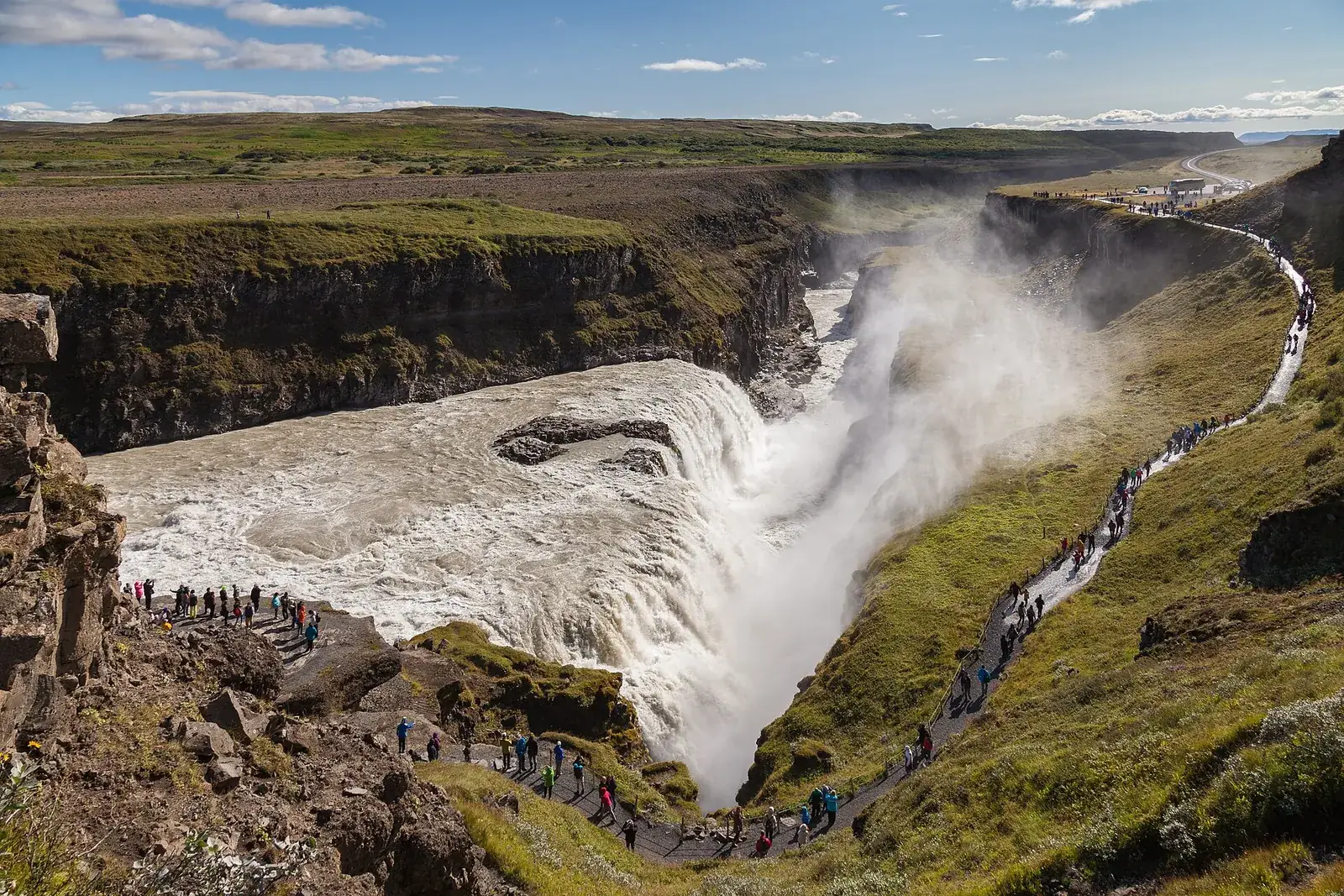
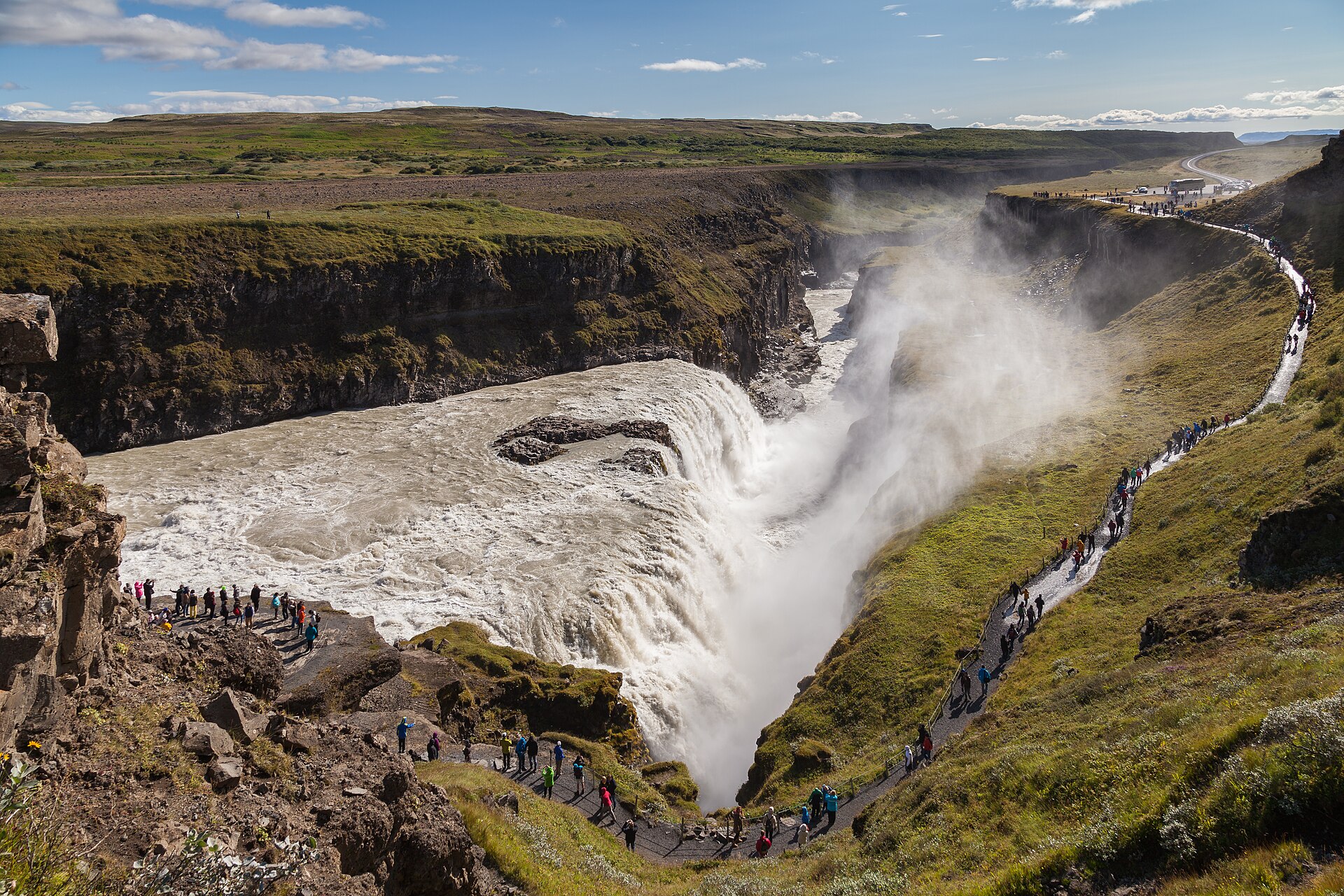
Why go: In a single day you can stand between two tectonic plates at Þingvellir, feel the spray off Gullfoss, wait for Strokkur to erupt every few minutes, then drive on to black-sand beaches at Reynisfjara. Few places pack this much raw geology into such short distances.
Cheapest month: November, plus January to March outside school holidays. Days are short, but flights and car hire are at their lowest and the northern lights are a real possibility from September to April.
Cheapest route: Fly into Keflavík (KEF). The Flybus to Reykjavík costs ISK 3,999 (about US$30) one way and takes about 45 minutes, and Strætó bus 55 is cheaper still if your flight times fit. Base yourself in Reykjavík and use a day tour for the Golden Circle rather than paying for a hire car you will barely use. Our Iceland first-timers guide covers where to stay and what to skip.
Golden Circle day tours leave Reykjavík most mornings all year; compare Golden Circle tours from Reykjavík by group size and pickup point.
6. Lofoten, Norway
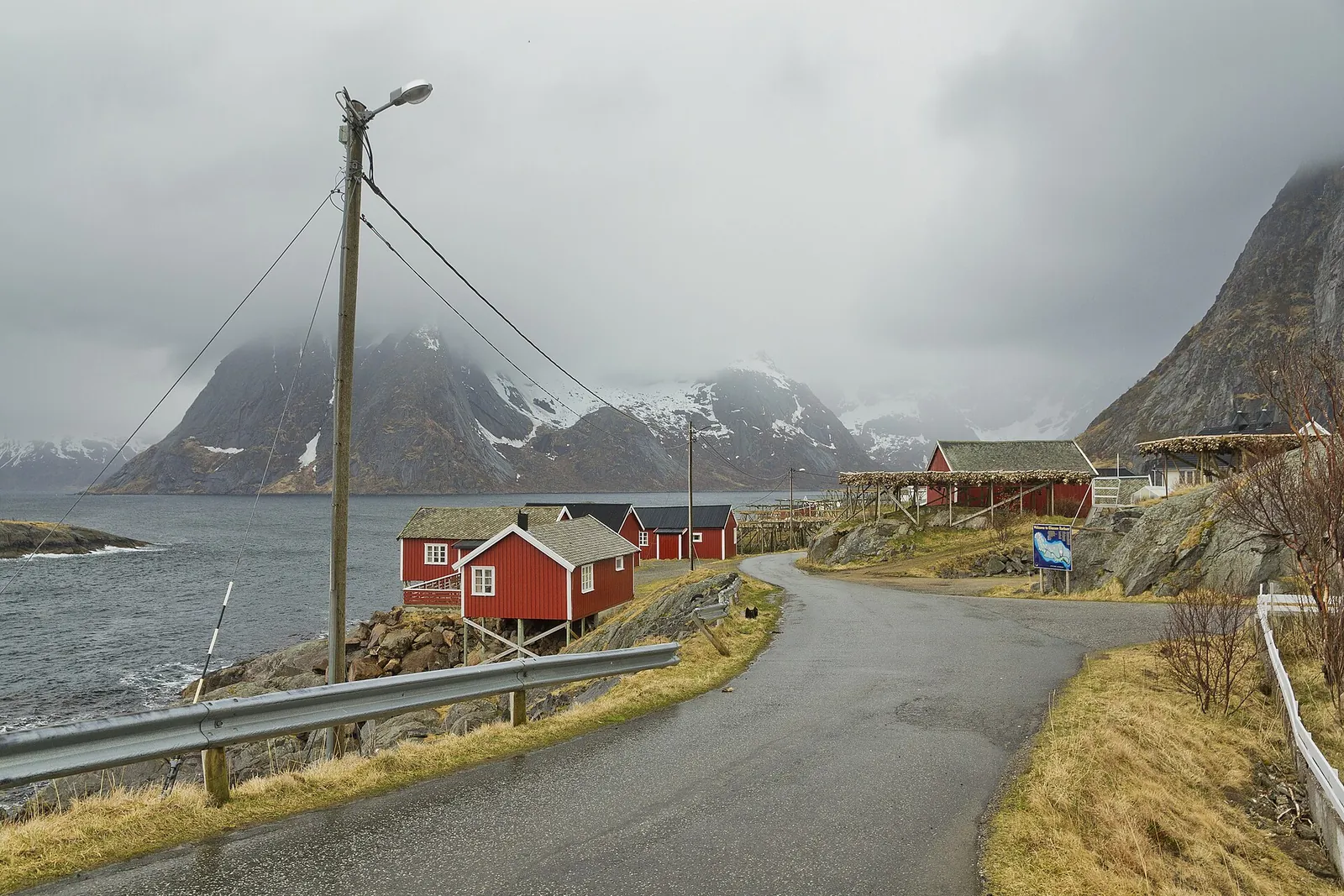
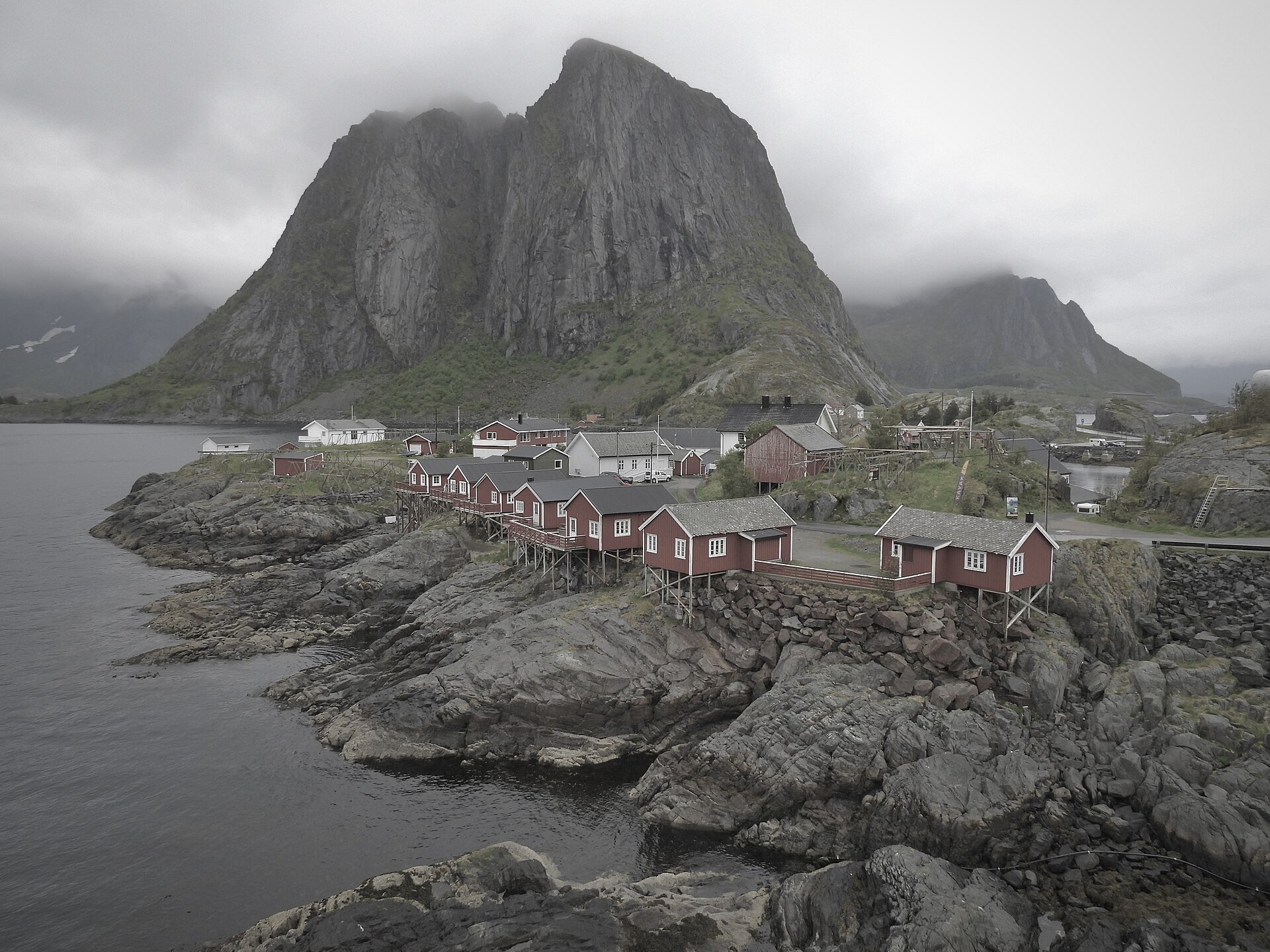
Why go: Jagged granite peaks rise straight out of the Norwegian Sea, and red fishermen's cabins (rorbuer) sit on stilts in the harbours of Reine, Hamnøy and Henningsvær. It looks implausible in photos and somehow more so in person.
Cheapest month: Late September and October. Summer prices have dropped, the hiking trails are still open, and the aurora season has started. February and March are also good for the northern lights, but late winter is cod season, and the rorbuer fill up with fishermen and photographers.
Cheapest route: Fly to Bodø, then take the car ferry to Moskenes. The direct crossing takes about 3 hours 15 minutes, and only part of the capacity can be booked ahead, so arrive early in summer. Flying straight into Svolvær or Leknes is quicker but usually dearer. Read the Lofoten guide for first-timers for driving tips.
7. Cappadocia, Türkiye
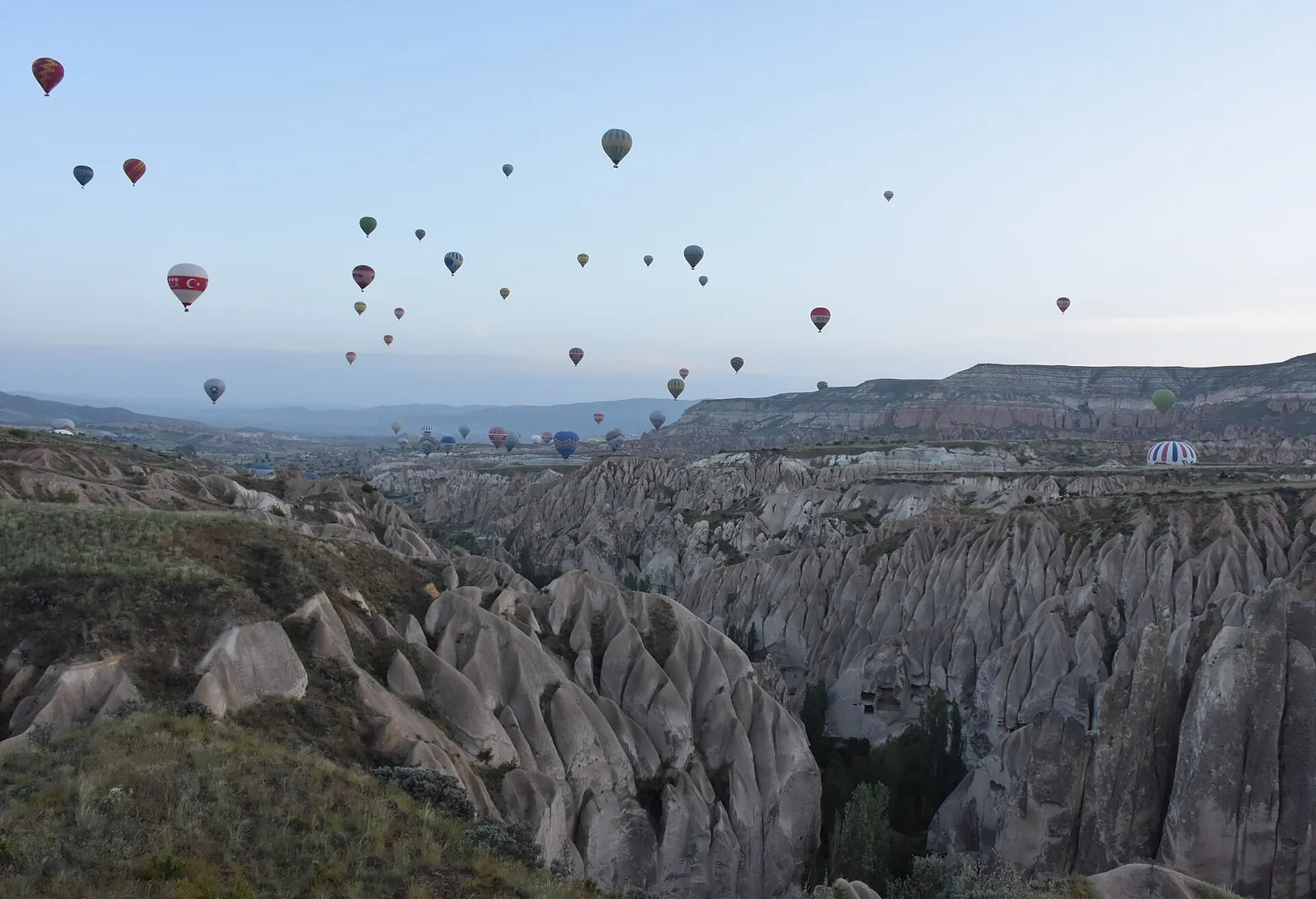
Why go: Wind and water carved this part of central Anatolia into cones, chimneys and soft valleys, and people carved it again from the inside: churches, homes and whole underground cities. The Göreme Open Air Museum holds painted Byzantine chapels cut into the rock, and the dawn sky full of balloons is exactly as advertised.
Cheapest month: December to February, outside Christmas and New Year. Snow on the fairy chimneys is beautiful and hotels are cheap, but balloon cancellations are more frequent in winter, so leave a spare morning.
Cheapest route: Fly to Istanbul, then on to Kayseri (ASR) or Nevşehir (NAV), both about an hour from Göreme by shuttle. Entry to the Open Air Museum is €20, plus €6 for the Dark Church. Standard shared balloon flights start at about €80 in low season and can top €300 in peak months. See our balloon season roundup for timing.
8. Kyoto and Tokyo, Japan
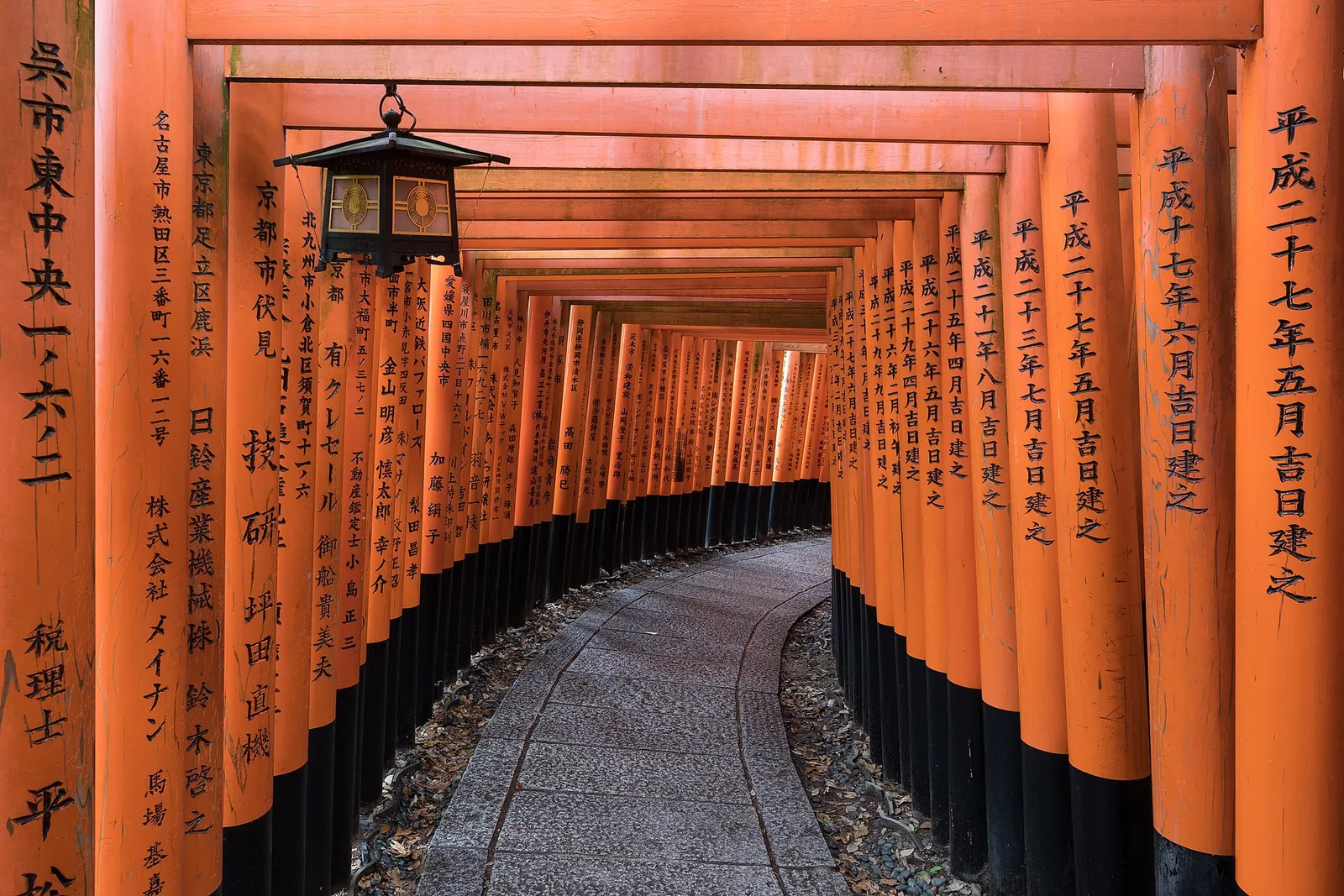
Why go: Japan is the rare place where the big city and the ancient temple are equally worth the flight. Tokyo gives you Shibuya Crossing and the late-night food alleys. Kyoto gives you the thousands of vermilion torii at Fushimi Inari, the gold pavilion of Kinkaku-ji and quiet mornings in the Arashiyama bamboo grove.
Cheapest month: Mid-January to February, after the New Year holiday and before plum and cherry blossoms. June, the rainy season, is the other good-value window.
Cheapest route: Fly into Tokyo and take the Shinkansen to Kyoto, about 2 hours 15 minutes on the fastest trains. A 7-day JR Pass now costs ¥50,000 to ¥53,000 depending on where you buy it, after a price rise on October 1, 2026, and it only pays off if you travel beyond a simple Tokyo–Kyoto return. Note that Japan's departure tax rose to ¥3,000 in July 2026 and is usually built into your airfare. For a day in Kyoto, a Fushimi Inari and Kyoto walking tour is an easy way to beat the crowds. Our Japan in a week guide has a full route.
If your route does justify a rail pass, you can compare 7-day JR Pass options and order one before you fly.
9. Bali, Indonesia

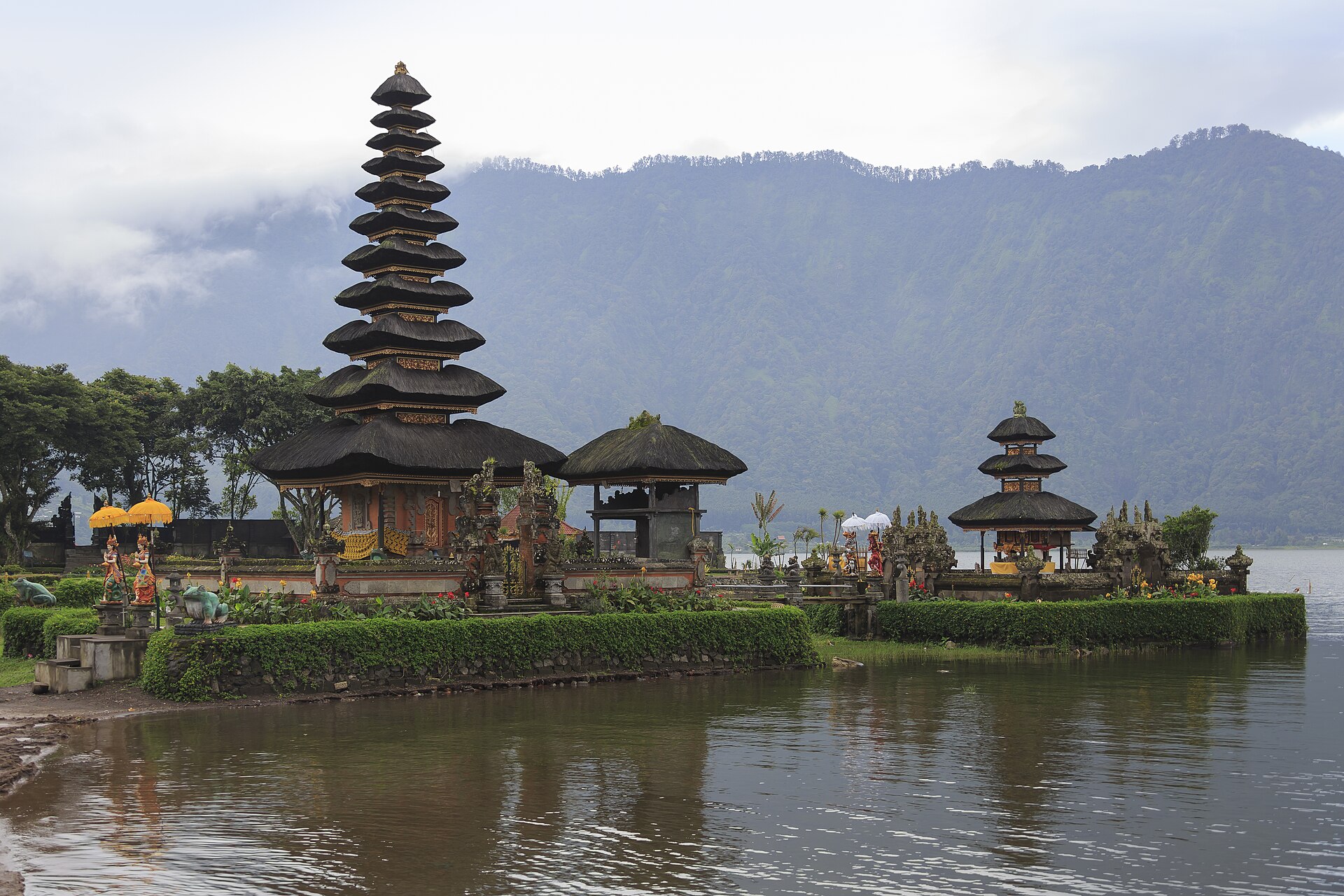
Why go: Bali earns its spot through variety: the terraced rice fields of Jatiluwih and Tegallalang, the sea temple of Tanah Lot on its tidal rock, Uluwatu on a cliff above the Indian Ocean, and the volcano Mount Batur for a sunrise hike. Daily ceremonies and offerings give the island a rhythm you notice within hours.
Batur sunrise hikes start in the small hours from Ubud, and small-group Mount Batur sunrise treks usually include the pickup and a guide.
Cheapest month: February to March, and October to November. These are shoulder months either side of the July and August peak, with short tropical showers rather than all-day rain.
Cheapest route: Fly into Denpasar (DPS), usually via Singapore, Kuala Lumpur or the Gulf. Pay the IDR 150,000 tourist levy (about US$9) online through the official Love Bali site before you land. Temple fees are modest: about IDR 75,000 at Tanah Lot and IDR 50,000 at Uluwatu, with the Kecak dance extra. Stay in Ubud for the interior and move south for the coast, rather than commuting through traffic every day. More on the Bali destination page.
10. Ha Long Bay and Hoi An, Vietnam

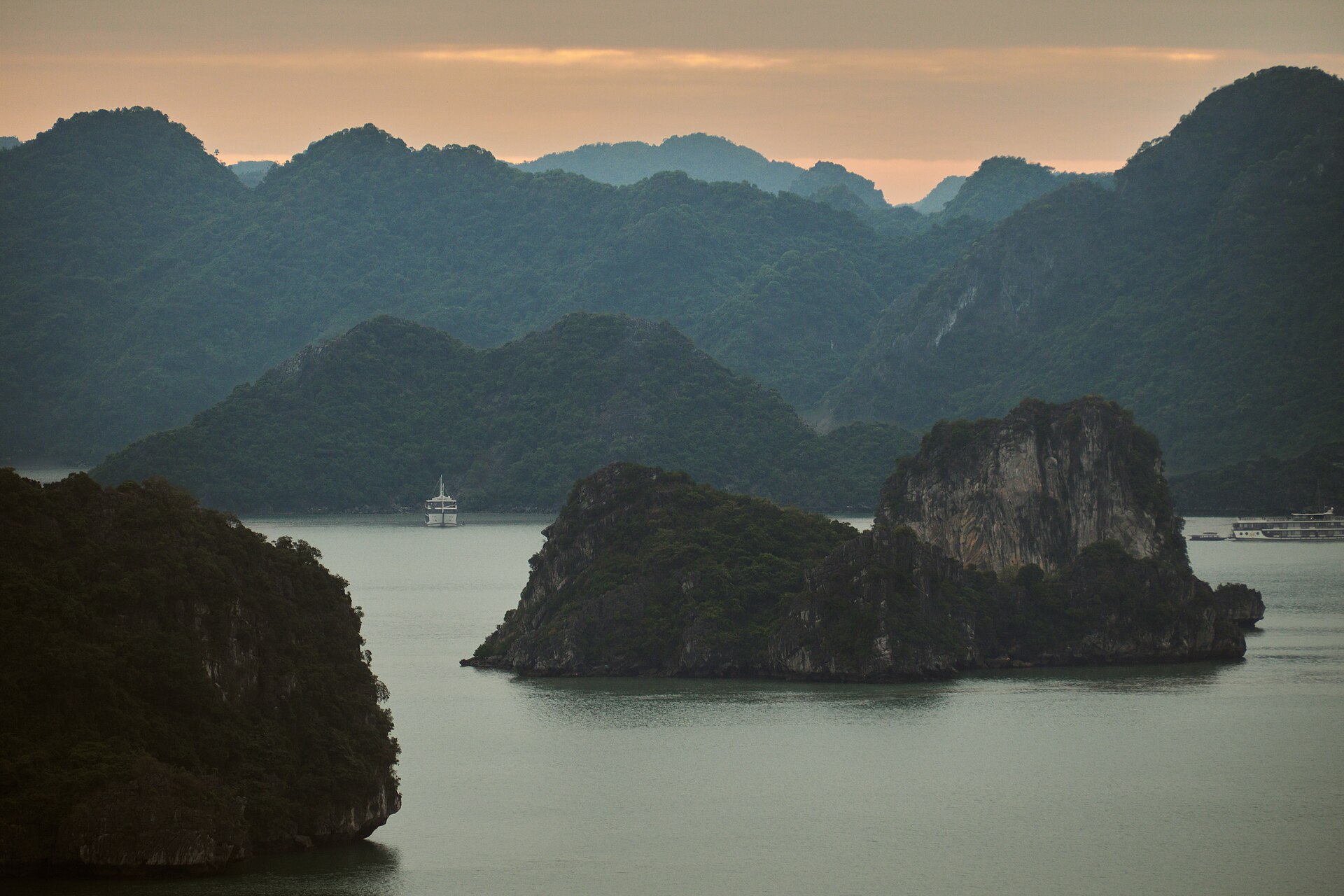
Why go: Ha Long Bay's limestone towers, around 1,600 of them, rise from green water in the Gulf of Tonkin. Spend a night on board and you see them at dusk and dawn, when the day boats have gone. Further south, Hoi An's old town of yellow merchant houses and silk lanterns is one of the best-preserved trading ports in Southeast Asia.
Cheapest month: December to February for Ha Long. It is cool and often misty, which suits the scenery, and it avoids the summer typhoon season. Hoi An is cheapest during the autumn rains, roughly October to November, though floods can put the riverside streets of the old town under water for a day or two.
Cheapest route: Fly into Hanoi, then take a cruise transfer to Ha Long, about 2.5 hours by expressway. Overnight cruises start at about US$135 per person (Oct 2026), often including meals and kayaking. Fly Hanoi to Da Nang for Hoi An, about 45 minutes by road from the airport. Our Ha Long and Hoi An guide covers both.
Rules that cut the cost of all ten
- Book entry before flights where tickets are capped. Machu Picchu has a daily limit. Petra and Angkor don't, so book those last.
- Fly to the hub, not the doorstep. Amman, Lima, Bangkok, Hanoi and Istanbul have far more competition than Siem Reap or Kayseri. A cheap long-haul plus a short regional hop usually beats a single expensive ticket.
- Do the pass maths. The Jordan Pass covers the visa as well as Petra. The Angkor three-day pass costs less than two single days. The JR Pass, on the other hand, often loses to individual tickets.
- Choose the shoulder, not the dead zone. The month just after peak usually keeps decent weather while prices fall. The deepest low season is cheaper still, but you pay for it in rain, heat or closures.
- Pair places that share a hub. Angkor fits neatly with a Bangkok stopover, and Petra with Egypt via a short flight from Cairo.
Want the cheapest version of the dream instead of the most famous one? Our list of the cheapest dream destinations starts where this one ends.
Frequently asked questions
What is the cheapest place on this list to visit?
Vietnam and Cambodia are the cheapest day to day. Angkor's three-day pass is US$62 and Siem Reap rooms are inexpensive in the May to October green season. Ha Long Bay overnight cruises start at about US$135 per person.
How far ahead should I book Machu Picchu tickets?
In high season, from June 19 to November 2, book entry tickets several weeks to a few months ahead, especially if you want Huayna Picchu. Buy the entry ticket first, then the train. In the rainy season you can usually book closer to the date.
Is the Jordan Pass worth it for Petra?
Usually, yes. It costs 70 to 80 JOD depending on how many Petra days you want, and it waives the 40 JOD tourist visa if you meet the minimum stay. A one-day Petra ticket alone is 50 JOD, so the pass pays for itself quickly. Check the minimum-nights rule on the official Jordan Pass site before buying.
Can I visit Machu Picchu in February?
Yes. Machu Picchu stays open, but the classic four-day Inca Trail is closed for maintenance for the whole month. February is the wettest month, so expect rain and possible landslide delays on the train or road.
Which of these places can I combine in one trip?
Angkor pairs well with a Bangkok stopover, Petra works with Egypt via a short flight from Cairo to Amman or Aqaba, and Ha Long Bay and Hoi An fit into one Vietnam trip. Iceland and Lofoten are both best for the northern lights between September and April.
How is this different from your once-in-a-lifetime experiences list?
This post is about places worth travelling to on their own merits. The experiences post focuses on specific activities, such as balloon flights, aurora hunts and overnight cruises, wherever they happen.
Deals on this page open on partner sites (Aviasales, Klook and others via Travelpayouts); we may earn a commission, and your price doesn’t change.
Deals for this trip
Hand-checked cards from our catalog. Booking opens on the partner site.
tours
A week in Tokyo and Kyoto
Japan
from $1800
tours
Hanoi and Ha Long Bay
Vietnam
from $700
tours
Bali: Ubud and the coast
Indonesia
from $900
tours
Cairo, Luxor and the Nile
Egypt
from $950
tours
Lofoten islands road trip
Norway
from $1400

experiences
Sunrise balloon over Cappadocia
Göreme, Türkiye
from $180
experiences
Classic Golden Circle day tour
Reykjavík, Iceland
from $90

flights
Oslo → Cairo
from $320