Tourison/Blog/Destination guides
Peru in 10 Days: Lima, Cusco, the Sacred Valley and Machu Picchu Without the Altitude Crash
Tourison may earn a commission when you book through links on this page, at no extra cost to you. How we pick deals
A 10-day Peru itinerary: Lima, the Sacred Valley, Machu Picchu, Cusco and Rainbow Mountain, in an order that eases the altitude, with 2026 ticket prices, trains and costs.
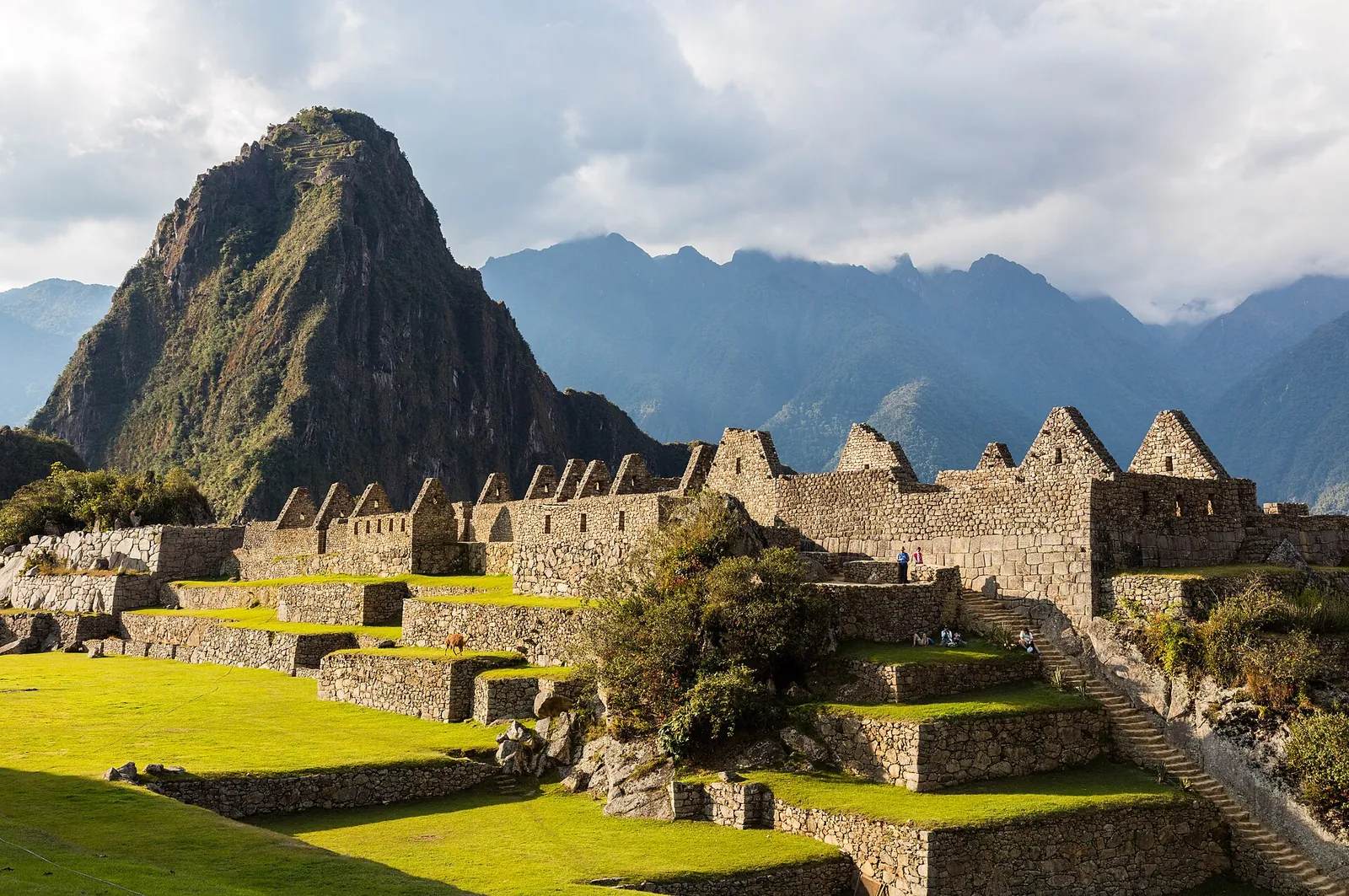
Most Peru trips go wrong in the same two places: people fly from sea level straight to Cusco and spend their first day flat on a hotel bed, then discover in June that every Machu Picchu entry slot they wanted sold out weeks ago. A good Peru itinerary for 10 days fixes both. You sleep low before you sleep high, you see the Sacred Valley properly instead of through a bus window, and you walk into Machu Picchu at a booked hour with a plan for the route you chose. Here is that trip day by day, with the 2026 ticket prices we could verify and the transport between stops.
- Best time: May to September for dry, clear days in the Andes. April and October are quieter shoulder months.
- Budget: Machu Picchu costs about S/163 (US$47, Oct 2026) for a foreign adult on a standard route, and the Cusco tourist ticket is S/130 (US$38).
- How to get there: fly into Lima (LIM), then take a short domestic flight to Cusco (CUZ).
- Days needed: 10 days is comfortable. Seven is possible if you skip Lima and the extra hike.
Peru itinerary 10 days: the route at a glance
The classic first trip is a loop through the southern Andes. Lima is the gateway, Cusco is the hub, and Machu Picchu sits at the far end of the Sacred Valley. The trick is the order: going down into the valley before climbing back up to Cusco makes the altitude much easier on your body. Here is the plan in short.
- Days 1 and 2: Lima, Miraflores, Barranco and a long ceviche lunch.
- Day 3: Fly to Cusco and drop straight down to the Sacred Valley.
- Day 4: Pisac, Moray and the Maras salt pans.
- Day 5: Ollantaytambo, then the train to Aguas Calientes.
- Day 6: Machu Picchu at your booked entry time, then the train back to Cusco.
- Days 7 and 8: Cusco, Sacsayhuamán and the San Blas quarter.
- Day 9: Rainbow Mountain or Humantay Lake day hike.
- Day 10: A slow morning in Cusco and the flight home via Lima.
Our Peru destination page has the background on seasons, costs and safety. Below, each stop in detail.
Days 1 and 2: Lima, the food capital
International flights land at Jorge Chávez airport, and many arrive late at night, so plan an easy first day. Base yourself in Miraflores or Barranco, the two districts on the cliffs above the Pacific. Walk the Malecón, the green clifftop path, from Parque del Amor toward Barranco, where old mansions have become bars, galleries and cafés. In the afternoon, take a taxi to the historic centre for the Plaza Mayor, the wooden balconies and the catacombs under the San Francisco monastery.
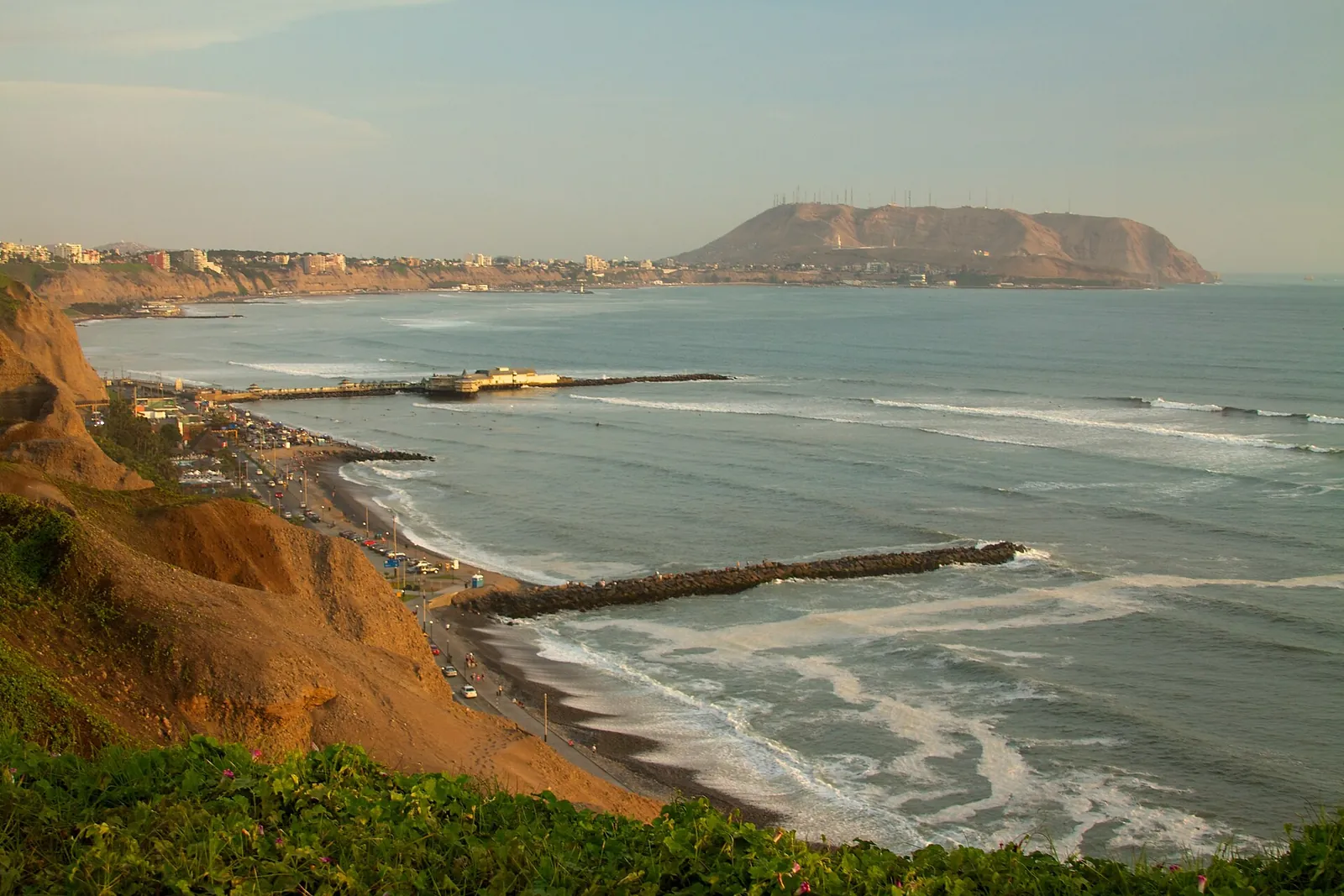
Lima is the reason Peruvian food became famous worldwide. Eat ceviche at lunch, as locals do, because cevicherías serve the freshest fish early and many close by late afternoon. Try lomo saltado, ají de gallina and a pisco sour, and book one of the tasting-menu restaurants well ahead if that is your thing. If you would rather be guided, a Lima food tour covers markets, ceviche and pisco in one afternoon.
One honest note: from June to October Lima often sits under a grey sea mist, the garúa. It is not cold, but it is not beach weather either. Two nights is enough for most people.
Day 3: Cusco to the Sacred Valley
Take a morning flight from Lima to Cusco. It takes about 1 hour 20 minutes, and you go from sea level to about 3,400 metres in that time. Instead of staying in Cusco tonight, take a taxi or pre-booked transfer straight down to the Sacred Valley, which lies around 2,800 to 2,900 metres. Urubamba and Ollantaytambo are the best bases. The difference of 500 to 600 metres sounds small, but it makes the first nights far more comfortable.
Keep the first afternoon light. Drink water, eat a simple dinner, skip the alcohol and try the coca tea your hotel will almost certainly offer. Talk to your doctor before the trip about altitude medication.
Not sure about driving yourself around the valley? The tour below picks you up in Cusco and covers the main sites in a day.
Day 4: Pisac, Moray and Maras
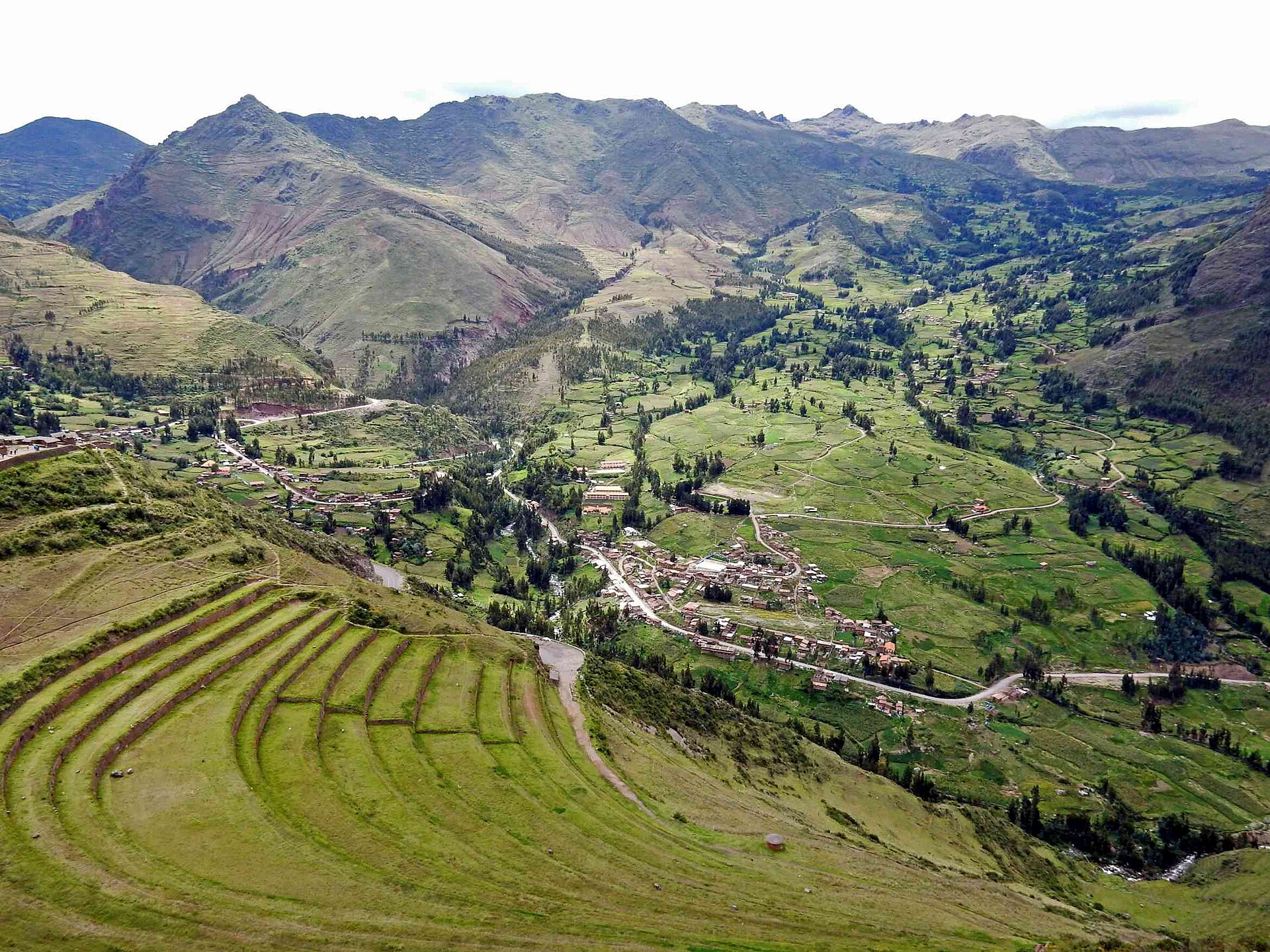
This is the day for the Sacred Valley's best sights. Start at Pisac, where Inca agricultural terraces climb the mountainside above the town and a ridge-top citadel looks over the valley. Walk down through the ruins if your legs are up to it, then browse the market in the town below.
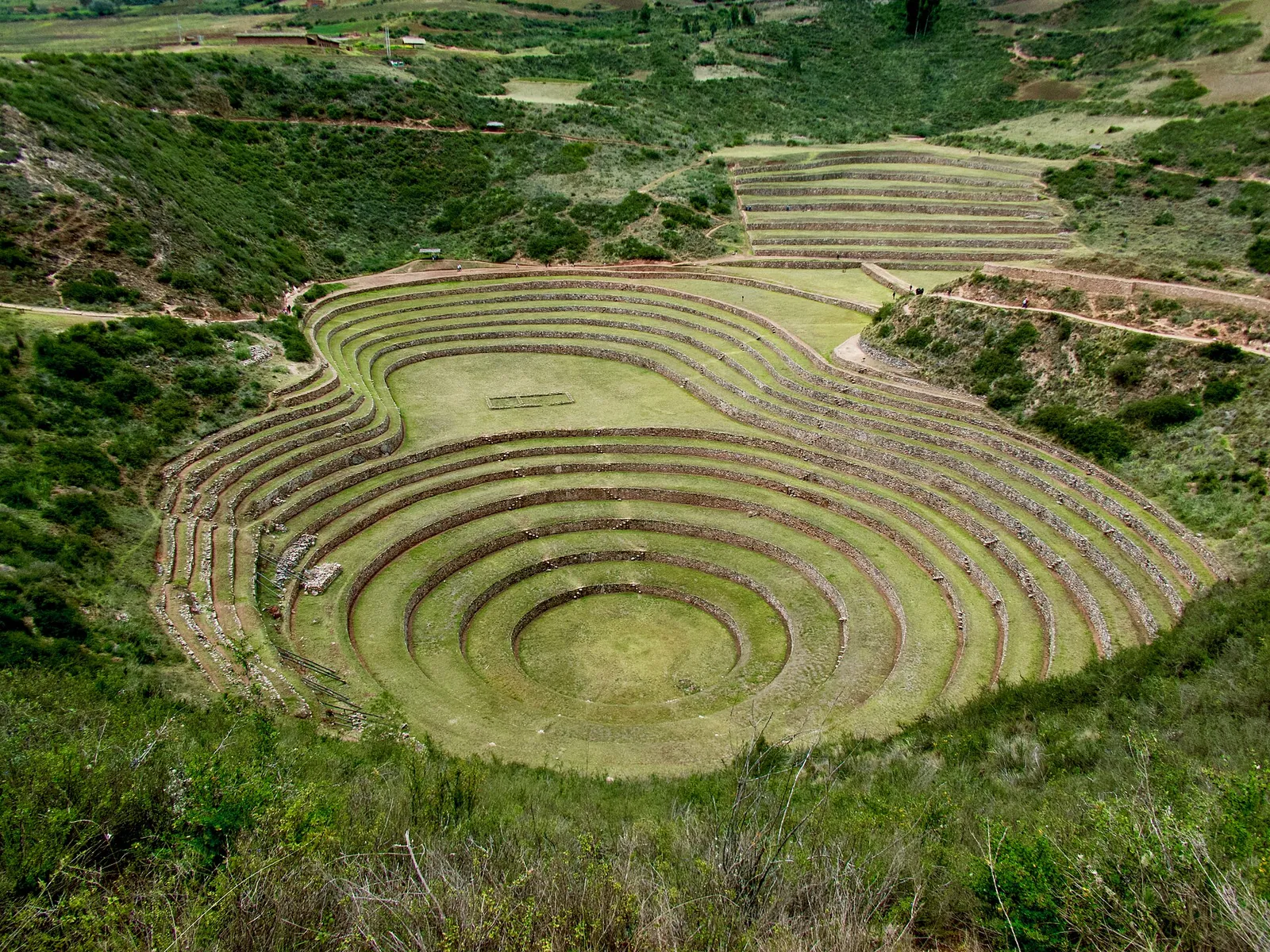
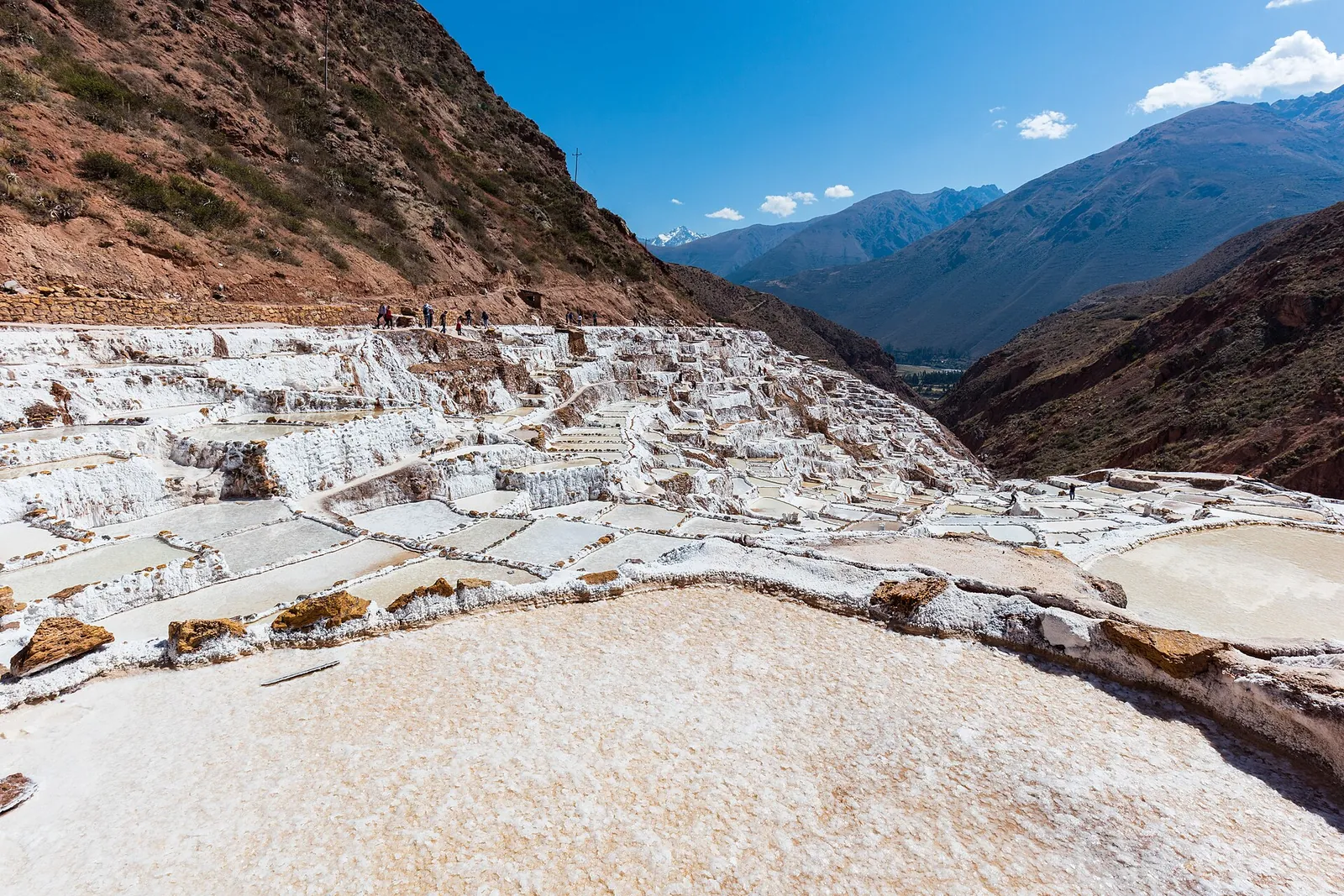
In the afternoon, head up onto the plateau to Moray, where concentric circular terraces drop into a natural hollow. They are thought to have been an Inca agricultural experiment station, as each level has a slightly different microclimate. Nearby, the Salineras de Maras are thousands of salt pans terraced into a hillside and still worked by local families. Maras has its own small entry fee, paid at the gate.
Pisac, Moray, Ollantaytambo and Chinchero are all covered by the Boleto Turístico del Cusco. For this circuit alone, the Sacred Valley partial ticket costs S/70 and is valid for two days. If you also plan to visit Sacsayhuamán and the Cusco museums, the full ticket at S/130 for 10 days is better value. It is sold in person only, at the sites or at the counter on Avenida El Sol in Cusco.
Day 5: Ollantaytambo and the train to Aguas Calientes
Ollantaytambo is a living Inca town. Its narrow stone streets still follow the original grid, and the water channels still run beside them. Climb the terraces of the Temple Hill early, before the day-trip buses arrive, for views across the valley and the granite blocks of the unfinished Sun Temple.
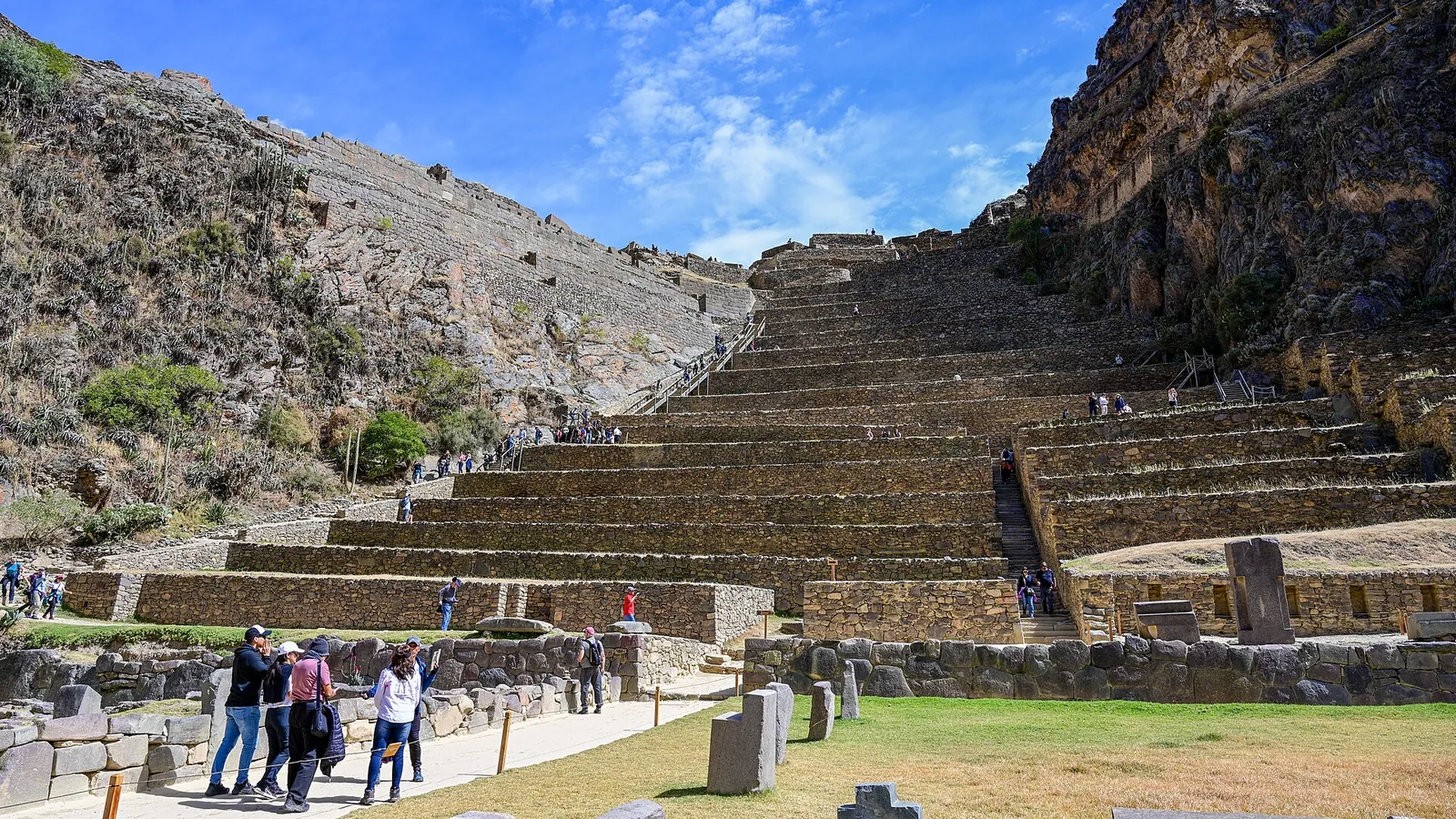
In the afternoon, take the train from Ollantaytambo to Aguas Calientes, the town at the foot of Machu Picchu. PeruRail and Inca Rail both run this line, and the ride along the Urubamba river takes about 1.5 to 2 hours. Book the train when you book your Machu Picchu entry, because seats on the most convenient departures sell out in high season. Sleeping in Aguas Calientes lets you catch an early bus up the mountain without a 4am start from Cusco.
Day 6: Machu Picchu
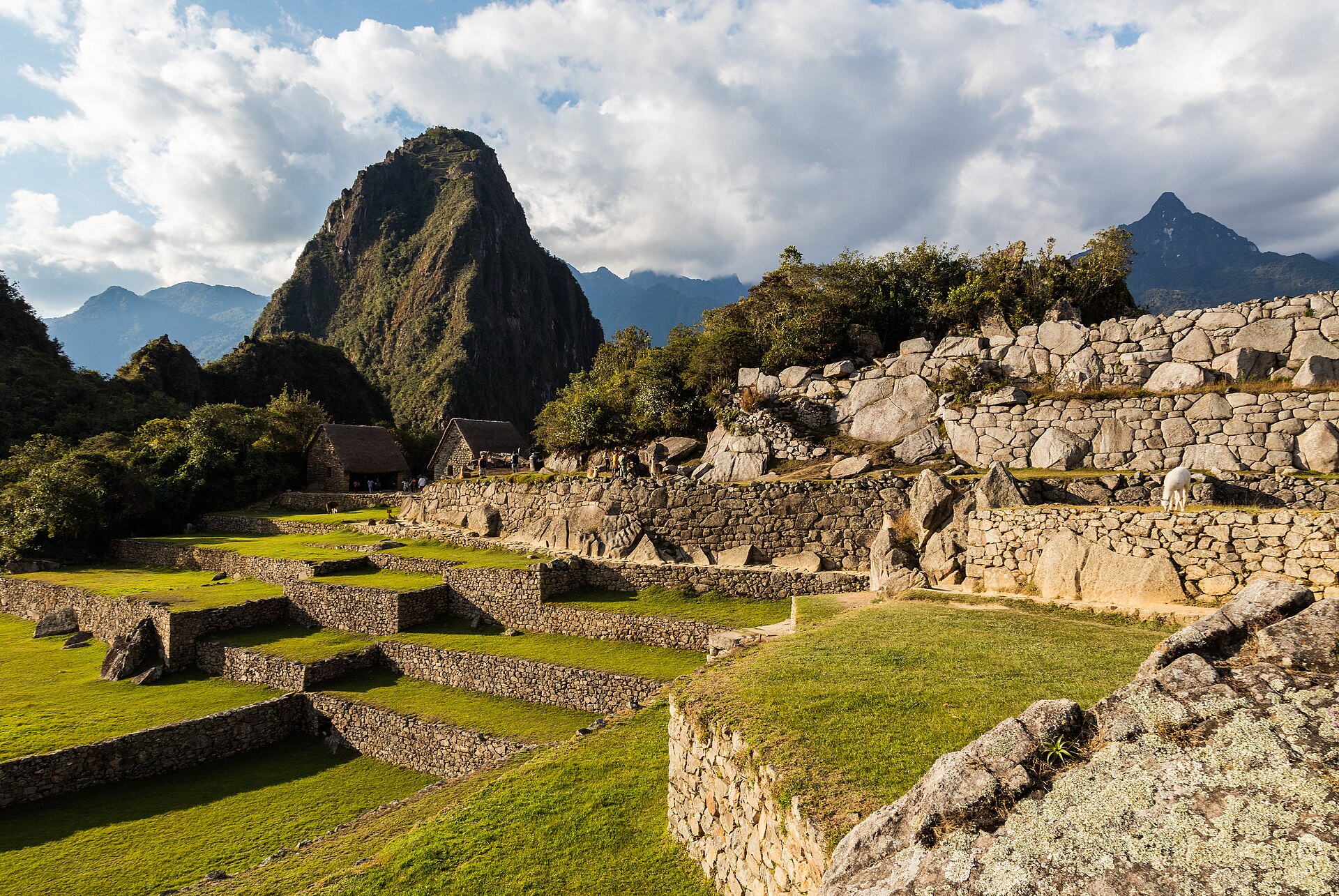
Machu Picchu was built in the 15th century for the Inca ruler Pachacuti and is now one of the most protected sites in South America. Since 2024 visits are sold by circuit and route, each with a fixed entry hour, and you cannot switch routes inside. Here is how the choice works in 2026.
- Circuit 1 (panoramic): the high terraces, including the classic postcard view. Route 1-A adds the climb of Machu Picchu Mountain.
- Circuit 2 (classic): the full loop through the citadel, and the best single choice for a first visit.
- Circuit 3 (royalty): the lower city. Route 3-A is the only way to climb Huayna Picchu, the peak behind the ruins, capped at a few hundred climbers a day.
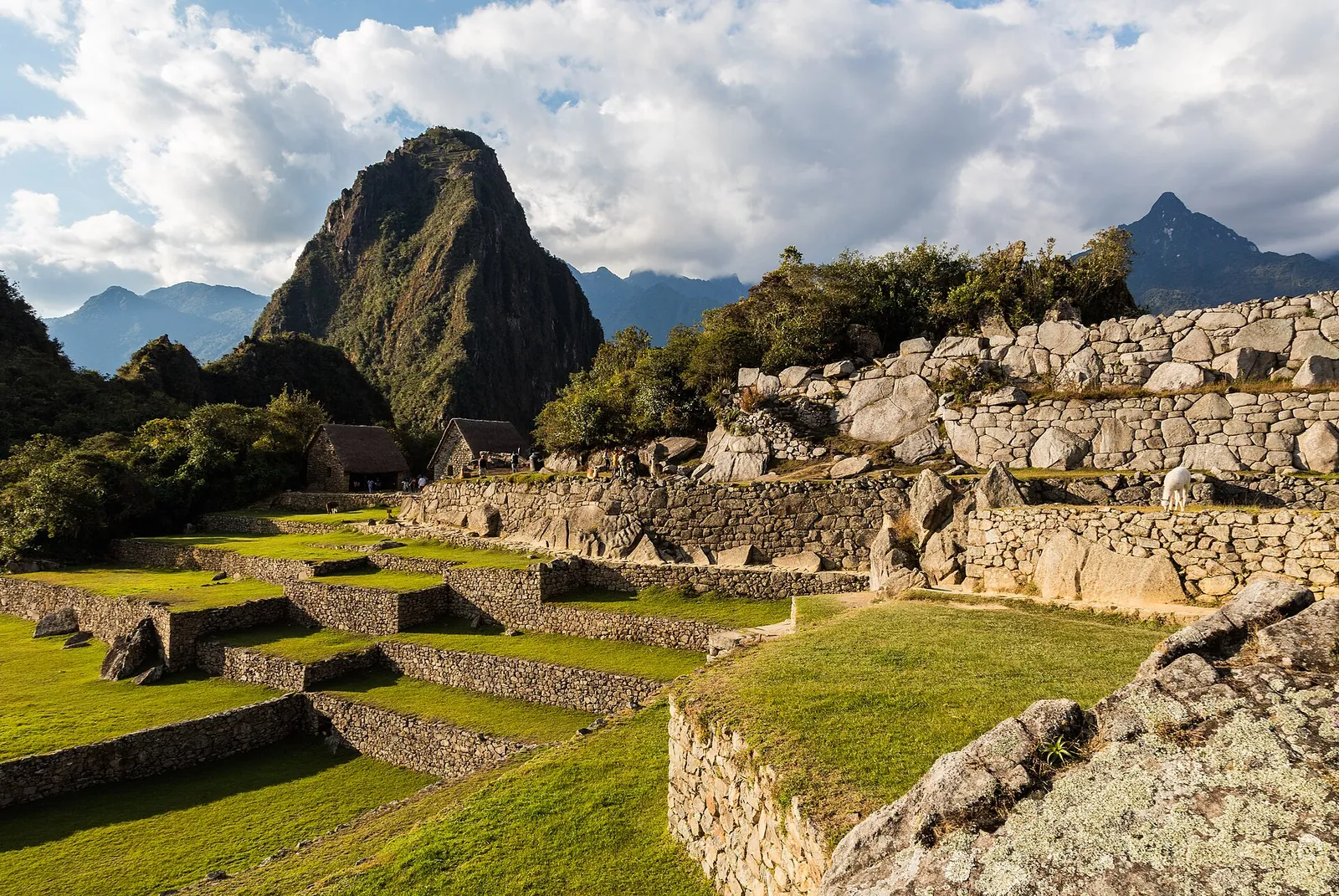
Buy tickets only on the Ministry of Culture's official site or through a licensed operator, and carry the passport you used to book. The Consettur buses run from Aguas Calientes up the switchback road in about 25 minutes. You can also walk up in about 90 minutes of steep stairs. After your visit, take an afternoon train back to Ollantaytambo or straight to Cusco.
Short on time? A guided day trip from Cusco bundles the train, the bus, the guide and, depending on the option, the entry ticket.
Doing the Inca Trail instead? The classic four-day trek enters Machu Picchu through the Sun Gate and needs a permit sold through licensed operators, often months ahead for May to August. The trail closes every February. A one-day version from kilometre 104 via the ruins of Wiñay Wayna is easier to arrange.
Days 7 and 8: Cusco and Sacsayhuamán
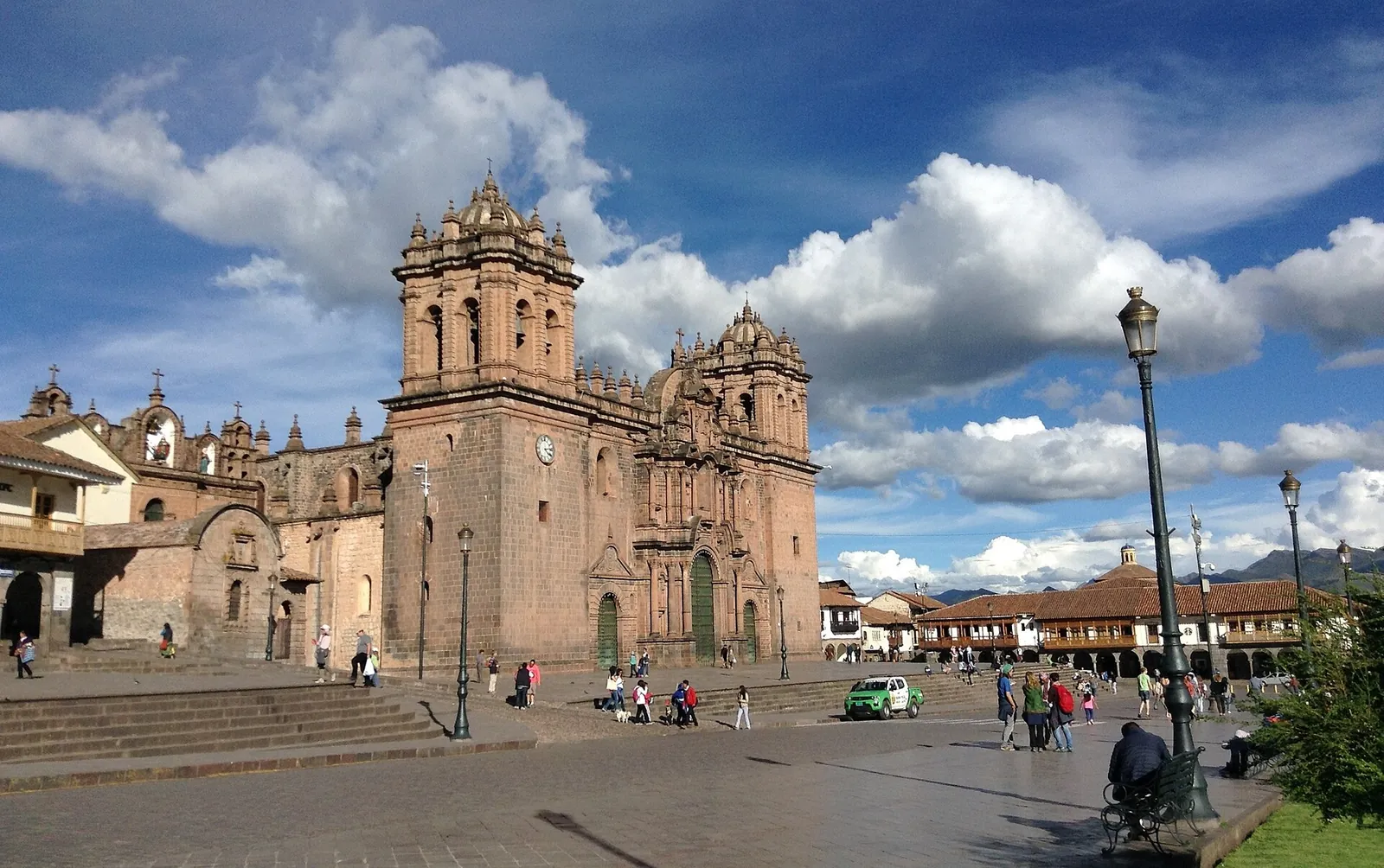
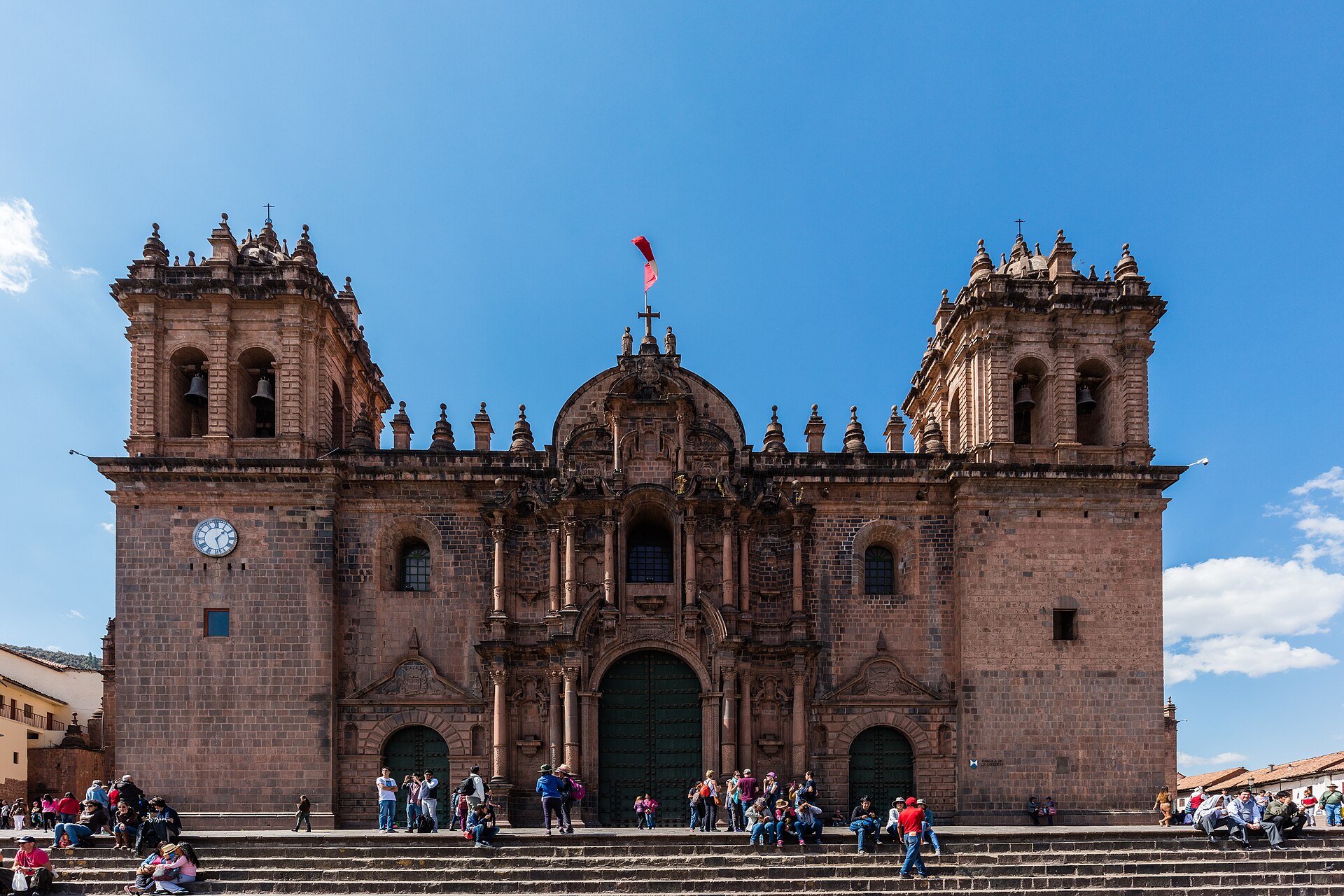
Back in Cusco, your body should now be ready for the altitude. Start at the Plaza de Armas, framed by the cathedral and the Jesuit church of La Compañía. Then visit Qorikancha, the Inca sun temple whose curved stone walls survive beneath the Santo Domingo convent. Spend an afternoon in San Blas, the steep artisans' quarter above the plaza, where the views and the cafés are worth the climb.
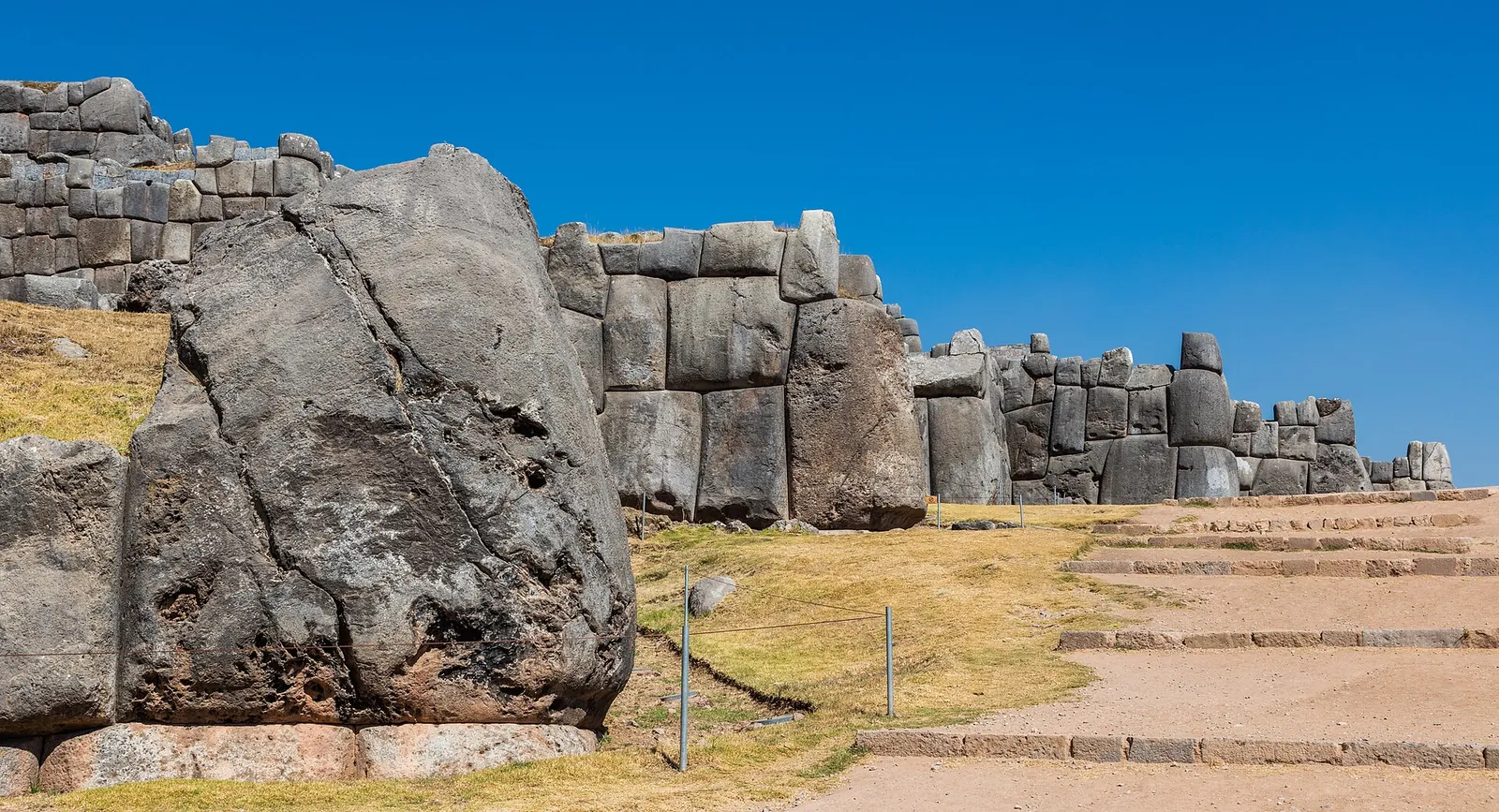
On day 8, walk or take a taxi up to Sacsayhuamán, the fortress-temple above the city. Its zigzag walls are built from limestone blocks, some weighing well over 100 tonnes, fitted together without mortar. The same ticket covers the smaller sites of Q'enqo, Puka Pukara and Tambomachay along the road. In the evening, eat at San Pedro market for the cheapest good lunch in town, or try alpaca and roast guinea pig (cuy) if you are curious.
Day 9: Rainbow Mountain or Humantay Lake
Use your extra day for one of the big hikes from Cusco. Both start with a pickup around 3 to 4am and return in the late afternoon.
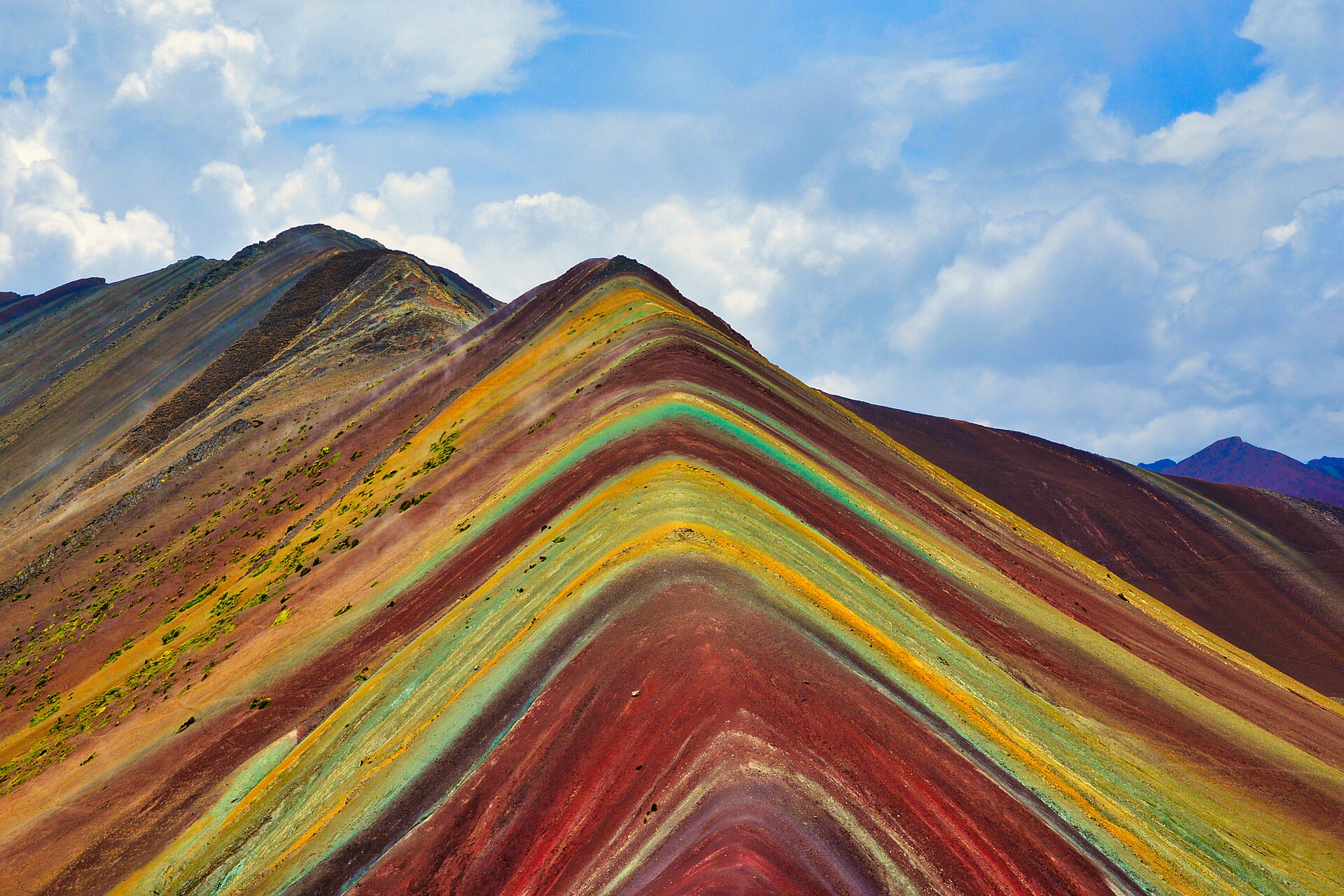
- Rainbow Mountain (Vinicunca): mineral-striped slopes in red, yellow and turquoise at around 5,000 metres. The walk from the car park takes about 1.5 hours each way at altitude, and horses can be hired for most of the way up. The local entry fee is about S/25.
- Humantay Lake: a turquoise glacial lake below Mount Humantay, a shorter but steep climb, and a good alternative if Rainbow Mountain is too crowded or too high for you.
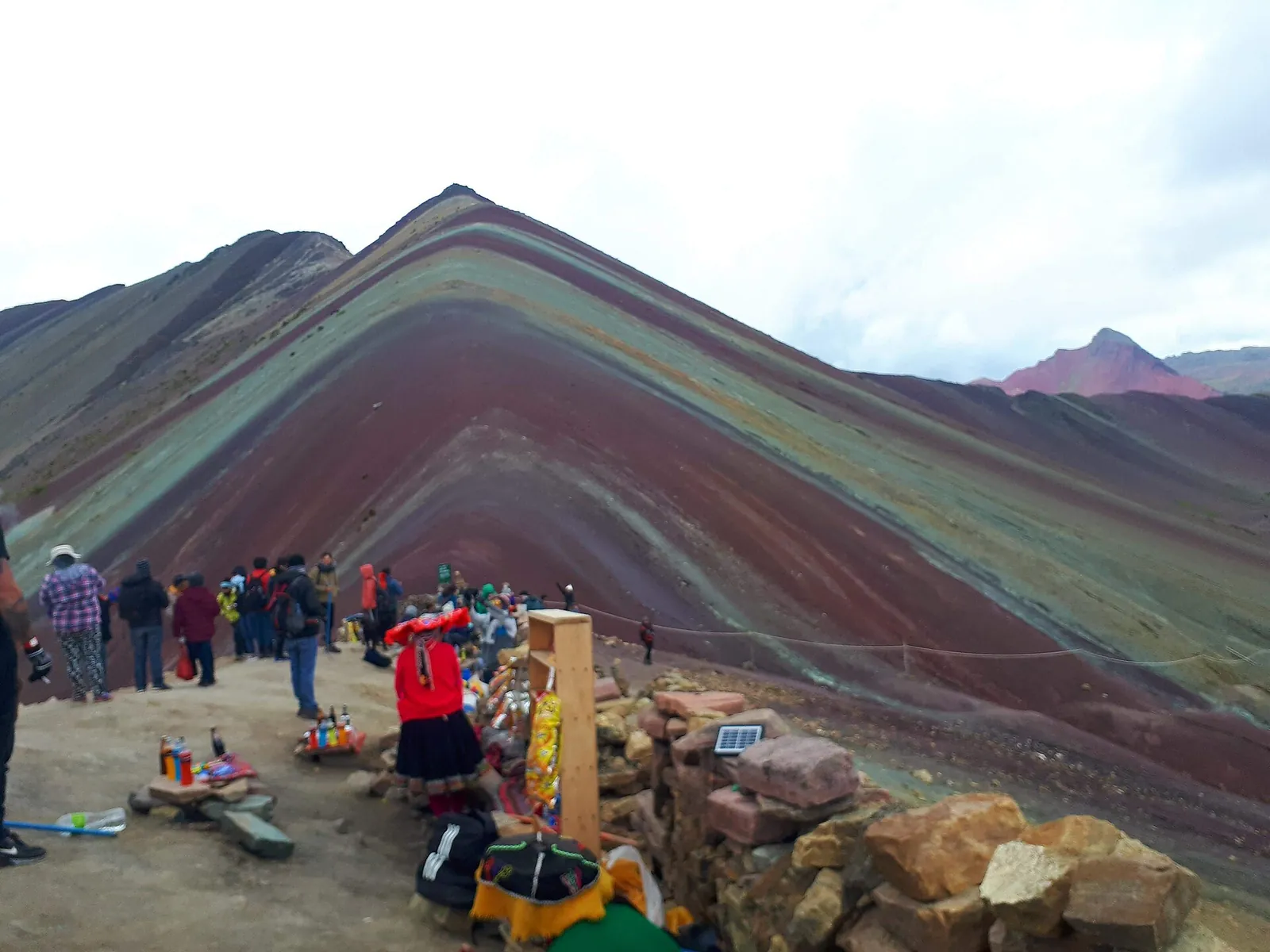
Do this hike at the end of the trip, not the start, when you are fully acclimatised. Bring warm layers, sunscreen, snacks and cash for the entry fee and toilets.
Day 10: Fly home, or keep going
Most flights from Cusco connect through Lima, so leave a buffer of a few hours for international connections. If you have more time, two classic extensions work well from Cusco.
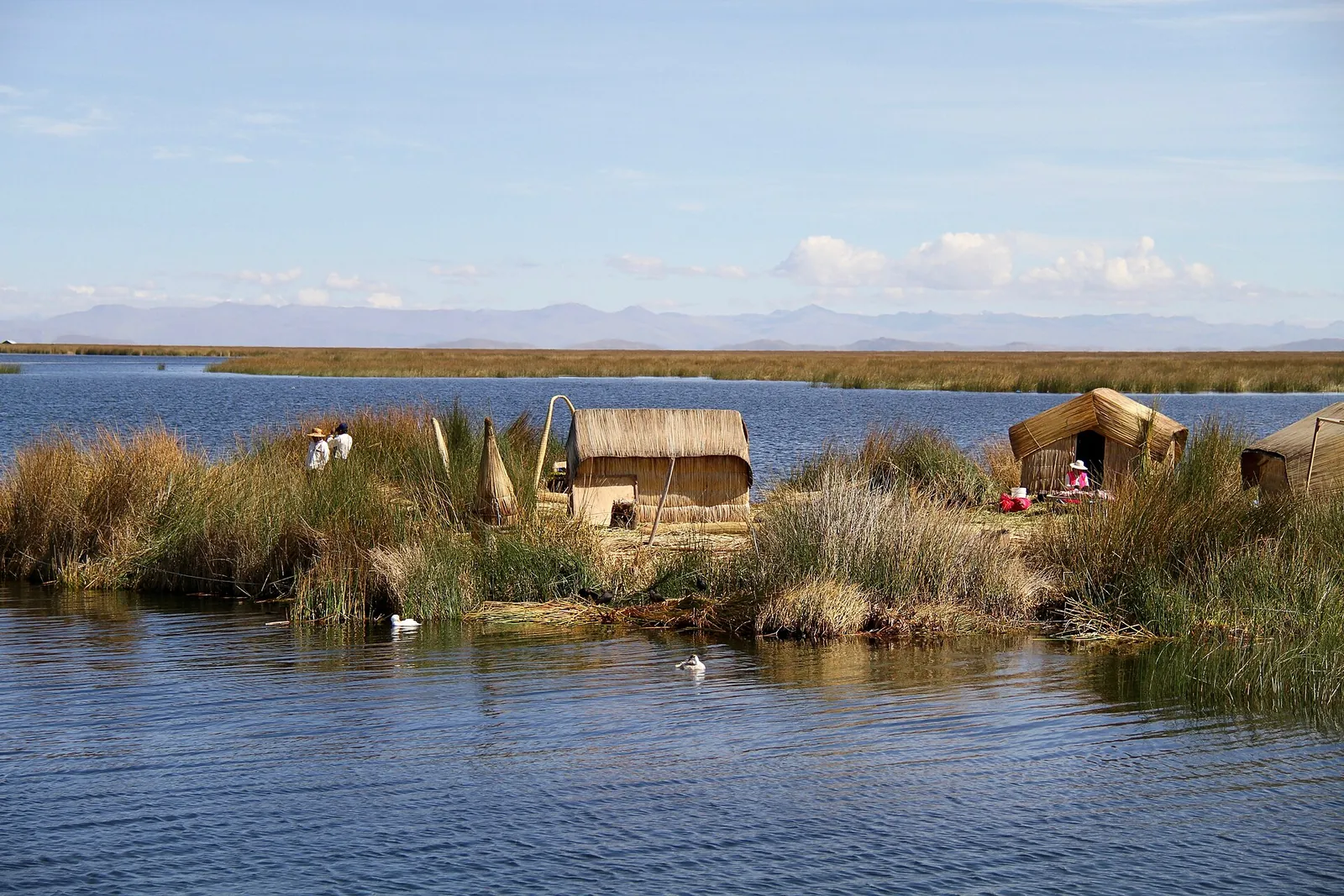
- Lake Titicaca: take the day bus or a short flight to Juliaca for Puno, then visit the reed islands of the Uros and spend a night on Taquile or Amantaní. A Lake Titicaca tour takes care of boats and guides.
- Arequipa and the Colca Canyon: a white-stone colonial city and a two-day trip into one of the world's deepest canyons to see Andean condors.
What it costs: 2026 prices we could verify
| Item | Price |
|---|---|
| Machu Picchu, standard route, foreign adult (incl. S/11 protected-area fee) | S/163 (about US$47) |
| Machu Picchu with Huayna Picchu or Machu Picchu Mountain | S/211 (about US$61) |
| Machu Picchu, foreign student | S/88 (about US$26) |
| Boleto Turístico del Cusco, 16 sites, 10 days | S/130 (about US$38) |
| Boleto Turístico, one partial circuit | S/70 (about US$20) |
| Rainbow Mountain local entry | About S/25 (US$7) |
| Mid-range hotel in Cusco, per night | From about US$40 |
Dollar figures use about S/3.44 per US$ (Oct 2026). Train fares vary a lot by class and date, so check PeruRail and Inca Rail when you book. Prices change, so confirm them on the official sites before you pay.
Lock in your flights first: compare flights from London to Lima or Lima to Cusco flights for the domestic leg.
Tips for a smoother trip
- Book Machu Picchu and the train together. Your entry hour decides which train you need, and both sell out in high season.
- Sleep low first. The Sacred Valley is lower than Cusco, so start there and the altitude is easier.
- Carry your passport. Machu Picchu checks it against your ticket, and some hotels need it to waive the sales tax for foreigners.
- Dress in layers. Andean mornings are cold, middays are hot, and the sun at altitude burns fast.
- Bring small notes and coins. They help with taxis, markets, toilets and tips.
- Check travel advice. Protests occasionally block roads and rail lines around Cusco, so read your government's guidance before and during the trip.
- Use registered taxis in Lima. Ride-hailing apps work well in Lima and Cusco.
Coming from Europe? Madrid has the most direct flights to Lima, and this deal is a good starting point:
See our Peru destination page for more on seasons and costs. For more big-ticket trips, try our roundup of cheap places to see before you die, and if you route through Lisbon, our Portugal page makes an easy stopover.
Frequently asked questions
Is 10 days enough for Peru?
Yes, for a first trip focused on the south. Ten days covers Lima, the Sacred Valley, Machu Picchu, Cusco and a day hike such as Rainbow Mountain. Seven days works if you fly straight to Cusco, and two weeks lets you add Lake Titicaca or Arequipa and the Colca Canyon.
How much is a Machu Picchu ticket in 2026?
A foreign adult pays S/152 for a standard route or S/200 for a route that adds Huayna Picchu or Machu Picchu Mountain, plus an S/11 protected-area fee charged since 1 May 2026. That is about US$47 or US$61 in total (Oct 2026). Students and children pay less. Buy on the Ministry of Culture's official site or through a licensed operator.
Which Machu Picchu circuit should I choose?
For a first visit, Circuit 2 is the classic full loop through the citadel. Circuit 1 gives the high postcard view from the terraces, and Circuit 3 covers the lower city and is the only way to climb Huayna Picchu. Each ticket is one route with a fixed entry hour.
How do I avoid altitude sickness in Cusco?
Sleep low first: go from the Cusco airport straight down to the Sacred Valley (about 2,800 to 2,900 metres) for two or three nights before staying in Cusco (about 3,400 metres). Drink water, avoid alcohol for the first days and leave high hikes like Rainbow Mountain until the end. Ask your doctor about altitude medication before you travel.
What is the best time to visit Machu Picchu?
May to September is the dry season, with the clearest views and the biggest crowds, peaking from June to August. April and October are quieter shoulder months. The rainy season runs from about November to March, and the classic Inca Trail closes every February.
Is the Boleto Turístico del Cusco worth it?
Yes, if you visit Sacsayhuamán and the Sacred Valley sites. The full ticket costs S/130 (about US$38) for 16 sites over 10 days, including Pisac, Moray and Ollantaytambo. A single partial circuit costs S/70. It does not cover Machu Picchu or the Maras salt pans, and it is sold in person in Cusco, not online.
Deals on this page open on partner sites (Aviasales, Klook and others via Travelpayouts); we may earn a commission, and your price doesn’t change.
Deals for this trip
Hand-checked cards from our catalog. Booking opens on the partner site.
stays
San Blas and historic-centre hotels in Cusco
Cusco, Peru
from $40 / night
experiences
Machu Picchu day trip from Cusco by train
Machu Picchu, Peru
from $268
experiences
Sacred Valley day tour: Pisac, Moray and Ollantaytambo
Sacred Valley, Peru
from $39
experiences
Rainbow Mountain (Vinicunca) day hike from Cusco
Vinicunca, Peru
from $50
flights
Madrid → Lima
from $600